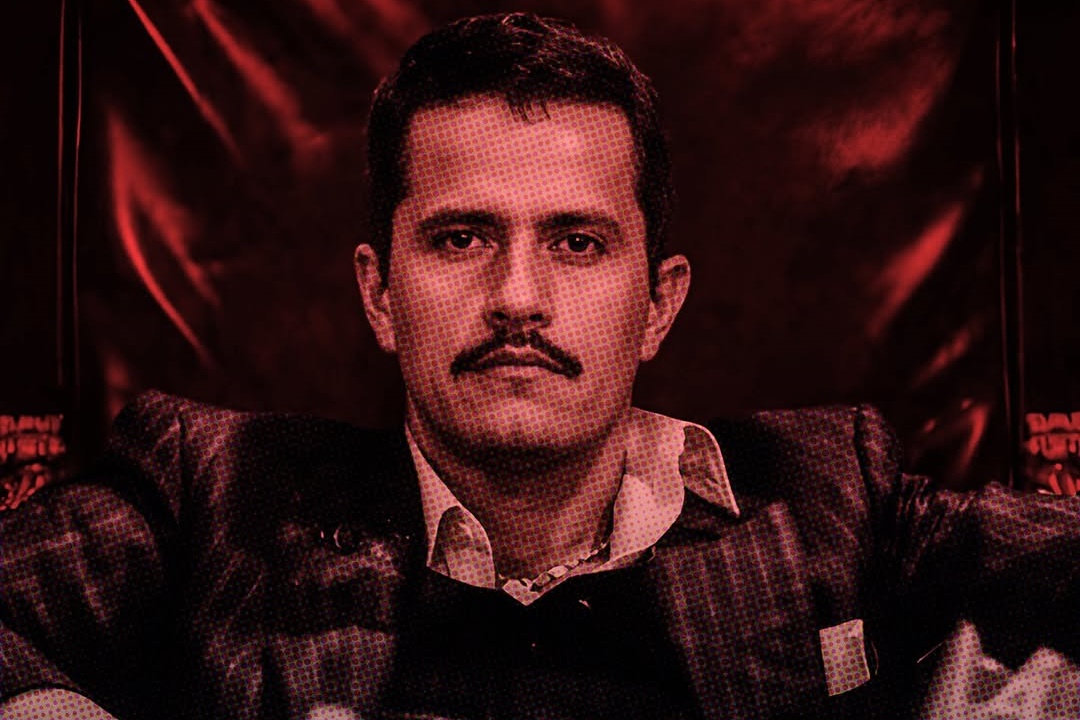
Who is El Mencho?
Nemesio Rubén Oseguera Cervantes, better known by his alias El Mencho, was a notorious Mexican drug lord and the founder and longtime leader of the Jalisco New Generation Cartel (CJNG), one of Mexico’s most powerful and violent criminal organizations. Growing up in poverty and dropping out of school early, he worked in fields such as avocado and marijuana cultivation after being born on July 17, 1966, in a rural area of Aguililla, Michoacan (in the Tierra Caliente region).
In the 2000s and 2010s, he became widely recognized as one of Mexico’s most powerful and feared criminal figures. His leadership enabled CJNG to become one of the country’s most rapidly expanding and violent drug trafficking organizations, attracting constant attention from Mexican authorities and the United States government. On February 22, 2026, major international outlets reported that Mexican forces killed Oseguera during an operation in Tapalpa, Jalisco, capping a manhunt that carried a U.S. reward of up to $15 million for information leading to his arrest and/or conviction.
A Mexican military operation in Tapalpa, Jalisco caused Oseguera’s serious injury on February 22, 2026, and he died while on his way to Mexico City from gunshot wounds. The CJNG’s response to the operation, which was assisted by U.S. intelligence, was extensive, resulting in road blockades, vehicle fires, and clashes that claimed the lives of at least 25 National Guard members.
| Real Name/Full Name | Nemesio Rubén Oseguera Cervantes |
| Date Of Birth | 17 July 1966 |
| Died | 22nd February 2026 |
| Age | 59 years old |
| Birthplace | Aguililla, Mexico. |
| Nationality | Mexican. |
| Religion | Christianity. |
| Zodiac sign | N/A |
| Father Name | Miguel Oseguera Cervantes. |
| Mother Name | Jacoba Cervantes. |
| Hair Color | Black |
| Eye Color | Brown |
| Height | 5 feet 7 inch |
| Weight | 68 kg |
| Marital Status | Divorced |
| Spouse Name | Rosalinda González Valencia (M. 1996 TO Div. 2018). |
| Children Name | Rubén Oseguera, Jessica Johanna Oseguera González, and Laisha Michelle Oseguera González. |
| Siblings Name | Antonio Oseguera Cervantes. |
| Profession | Drug Lord. |
| Net Worth | $4 Billion. |
Early Life
Nemesio Rubén Oseguera Cervantes was born on July 17, 1966, in a rural community in Aguililla, Michoacan, Mexico. He was raised by a family whose livelihood revolved around avocado farming. Raised in extreme poverty as one of six brothers in a family of humble avocado farmers, his parents, Miguel Oseguera Cervantes and Jacoba Cervantes, worked tirelessly in the fields to support the household. Juan Oseguera Cervantes, Miguel Oseguera Cervantes, Antonio Oseguera Cervantes, Mar n Oseguera Cervantes, and Abraham Oseguera Cervantes were just some of his siblings.
Education
The absence of verified public information indicates that El Mencho has completed formal higher education. Like other individuals from rural areas in Mexico who were impoverished during that time, he may have had limited access to advanced education.
His early adulthood was said to involve migration to the United States, where he got involved in criminal activities, instead of pursuing academic or professional training.
Crime & Arrest
In the 1980s, El Mencho searched for economic opportunities and entered the United States illegally, choosing to live in California. During this period, he was reported to have used multiple aliases. In 1986, he was taken into custody in the San Francisco Bay Area for charges that included possession of stolen property and illegal firearms. He was sent to Mexico after crossing several borders multiple times in the early 1990s.
In September 1992, he was once again arrested and charged with federal drug offenses in Sacramento, California. Court records show that El Mencho and his brother Abraham were at a San Francisco bar called the Imperial to make a deal for five ounces of heroin for US$9,500.
He commenced his employment at the Milenio Cartel and wed Rosalinda González Valencia, the sister of the cartel leader, Armando Valencia Cornelio, in 1996. The Milenio Cartel experienced a power vacuum after Armando Valencia Cornelio was arrested in 2003, followed by internal fragmentation. El Mencho was the leader of a faction called ‘Los Mata Zetas’ during the internal conflict that followed. Eventually, this group would turn into the Jalisco New Generation Cartel (CJNG) in 2009.
On October 28, 2009, the chief executive of the Milenio Cartel, Orlando Nava Valencia (also known as ‘El Lobo’), was arrested. May 6th, 2010 saw the arrest of his brother Juan Carlos (alias ‘El Tigre’). Coronel succumbed to the Mexican Army during a shootout two months later. El Mencho attempted to take over the leadership structure of the Milenio Cartel following its downfalls.
One of Mexico’s most aggressive and expansionist criminal organizations was quickly established by the Jalisco New Generation Cartel (CJNG), which was founded in 2009. El Mencho was responsible for the cartel’s increased involvement in trafficking cocaine, heroin, methamphetamine, and later, fentanyl. In the 2000s, the Drug Enforcement Administration (DEA) began to closely monitor El Mencho. A federal indictment was brought against him in 2014 by the United States District Court for the District of Columbia, accusing him of drug trafficking offenses and running a continuing criminal enterprise.
In 2015, the United States Department of the Treasury sanctioned him under the Foreign Narcotics Kingpin Designation Act (“Kingpin Act”), freezing assets under U.S. jurisdiction and prohibiting U.S. persons from conducting business with him or affiliated entities. The U.S. Department of State later offered a reward of up to $15 million for information leading to his capture.
The PGR announced that they would give up to MXN$30 million to anyone who provides information that leads to El Mencho’s capture on August 15th, 2018. This announcement was made public when the DEA and Mexican authorities prepared to reveal a new cooperation plan against organized crime, which included a stronger focus against their financial structure and the creation of a law enforcement group responsible for investigating international cases. The bounty derives from a new arrest warrant issued against him for his alleged participation in masterminding the kidnapping and murder of two agents of the Criminal Investigation Agency (AIC), a branch of the PGR, in February 2018.
Died
El Mencho’s death occurred on February 22, 2026 while taking part in a major operation in Tapalpa, Jalisco, Mexico, as a result of the Mexican army and security forces’ actions. He was wounded during a gunfight with soldiers and succumbed to his injuries while being transported to medical care. Federal forces and intelligence agencies assisted in carrying out the operation.
Personal Life
His 1996 marriage to Rosalinda González Valencia (known as ‘La Jefa’) was a strategic way to align his growing influence with the powerful Los Cuinis financial clan. Authorities believe that the couple’s family ties continued to support cartel operations even after they legally separated in 2018.
Rosalinda had previously been involved with Armando Valencia Cornelio before dating and marrying El Mencho after his return from the United States; beyond this relationship, he maintained an extremely low public profile with virtually no known dating history.
Together, they had three children: son Rubén Oseguera González (“El Menchito”), who served as second-in-command before receiving a life sentence in the U.S. in 2025; daughter Jessica Johanna Oseguera González (“La Negra”), who managed cartel-linked businesses and faced her own legal troubles; and daughter Laisha Michelle Oseguera González.
Net Worth
The late leader of CJNG in Jalisco, Nemesio Rubén Oseguera Cervantes, also known as El Mencho, had an estimated personal net worth of at least $4 billion, and credible intelligence suggests that it could exceed $4 billion.
Nemesio Rubén Oseguera Cervantes is widely recognized as one of the most iconic leaders of the Mexican cartel leaders who came into prominence following 2000. CJNG became one of Mexico’s most formidable criminal networks thanks to the combination of decentralized cell structures and paramilitary organizations in his leadership style.
The evolution of his trajectory is a reflection of broader changes within Mexico’s organized crime landscape, which is characterized by fragmentation, rapid territorial expansion, and escalating violence. The evolution of cartel power in Mexico has a significant chapter due to his rise and eventual death.