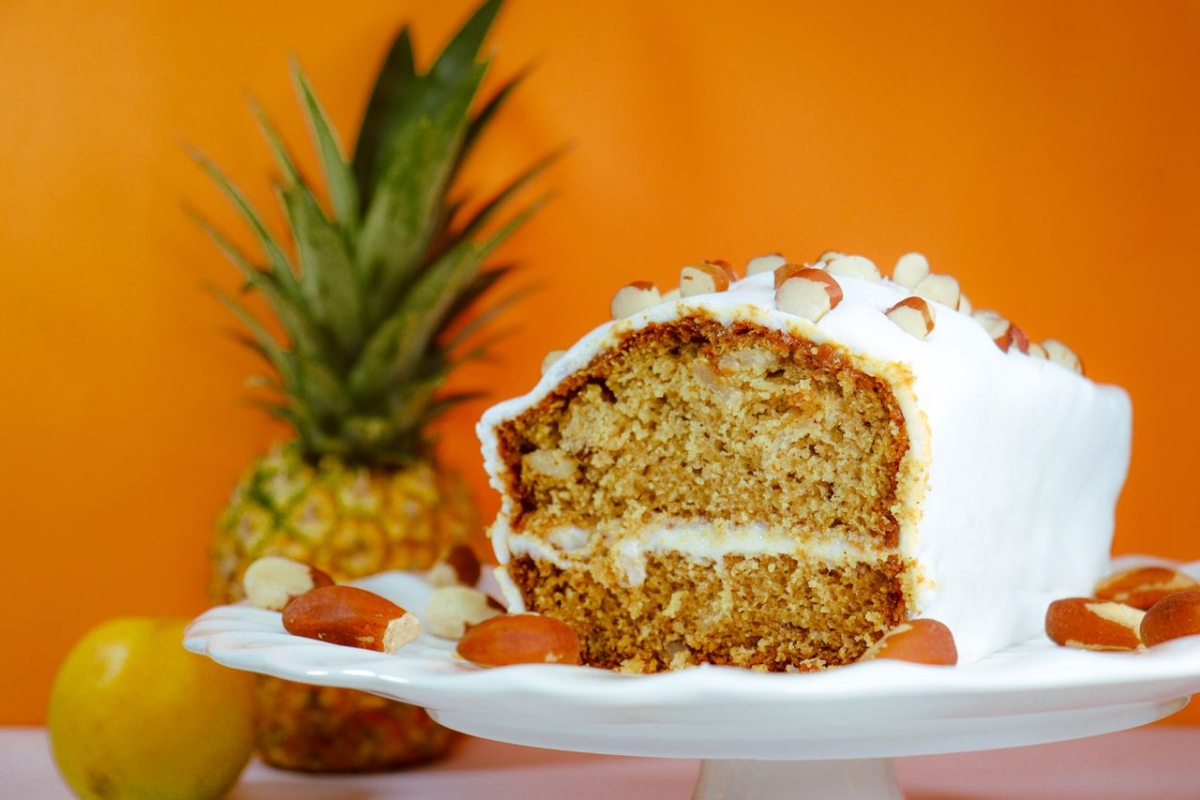
Pineapple desserts offer a bright, tangy sweetness that works well in both classic and modern recipes. Because pineapple is naturally juicy and aromatic, it can be used fresh, canned, grilled, or even caramelized, each method bringing out a slightly different flavor and texture.
One of the most familiar pineapple desserts is pineapple upside-down cake, where pineapple rings are baked under a layer of buttery brown sugar and then flipped to reveal a glossy, caramelized topping. Pineapple also pairs well with creamy elements: think chilled pineapple pudding, pineapple cheesecake, or no-bake pineapple cream pies, where the fruit’s acidity balances richer dairy ingredients.
For lighter options, pineapple can be folded into yogurt parfaits, sorbets, and fruit salads, adding a refreshing contrast to berries, melon, or citrus. Grilling pineapple intensifies its sweetness and adds a subtle smoky note, making it an ideal base for grilled pineapple sundaes, skewers with marshmallows, or simple slices served with a scoop of vanilla ice cream.
Carrot-Pineapple Cake
Carrot-Pineapple Cake is a moist, flavorful dessert that combines the natural sweetness of carrots with the bright, tangy taste of pineapple. This style of cake is especially popular for celebrations and gatherings because it stays tender for days and pairs beautifully with cream cheese frosting.
To make a classic Carrot-Pineapple Cake, you typically start by whisking together the dry ingredients—usually all-purpose flour, baking powder, baking soda, salt, and warm spices like cinnamon and sometimes nutmeg or ginger. These spices complement the carrots and pineapple and give the cake its characteristic aroma. In a separate bowl, the wet ingredients are combined: oil (often a neutral vegetable oil), granulated and/or brown sugar, eggs, and vanilla extract. Oil is preferred over butter here because it helps keep the cake moist, even after refrigeration.
Finely grated carrots are then folded into the wet mixture, followed by well-drained crushed pineapple. The pineapple should be drained enough that it doesn’t water down the batter but still adds juiciness and flavor. Many recipes also include chopped nuts, such as walnuts or pecans, and sometimes shredded coconut or raisins for added texture and richness. Once the wet and dry mixtures are gently combined, the batter is poured into prepared cake pans—either round pans for a layer cake or a single rectangular pan for a simpler version.
Baking usually takes place at a moderate oven temperature, often around 175–180°C (350°F), until the cake is risen, set in the center, and a toothpick inserted comes out clean or with a few moist crumbs. After baking, it’s important to let the cake cool completely before frosting, as a warm cake can cause the frosting to melt and slide.
The most common frosting for a Carrot-Pineapple Cake is cream cheese frosting. This is typically made by beating together softened cream cheese and butter until smooth, then adding powdered sugar and vanilla. The result is a tangy, slightly sweet frosting that balances the sweetness of the cake without overwhelming it. For a layered version, frosting is spread between the cake layers and over the top and sides; for a single-layer cake, a generous layer over the top is often enough.
Carrot-Pineapple Cake is adaptable to different dietary needs. It can be made with whole wheat flour or a gluten-free blend, and the sugar content can be adjusted by using less sugar or incorporating natural sweeteners, as long as you maintain the correct batter consistency. For a lighter version, some bakers reduce the oil slightly and rely more on the moisture from the pineapple and carrots.
Because it keeps well, this cake can be prepared a day ahead of serving. In fact, the flavors often deepen after resting overnight in the refrigerator. Stored in an airtight container and kept chilled, it generally remains fresh for several days. When you’re ready to serve, you can garnish with extra chopped nuts, a light sprinkle of cinnamon, or a few decorative carrot shavings or pineapple pieces to highlight the ingredients.
Whether you are baking for a special occasion or simply want a dessert with a comforting, homemade feel, Carrot-Pineapple Cake offers a reliable, flavorful option that blends fruit, spice, and frosting into a well-balanced treat.
Pineapple Ice Cream
Pineapple ice cream is a bright, tropical twist on a classic dessert, and it’s surprisingly simple to make at home. At its core, the recipe relies on a few key components: ripe pineapple, dairy (usually a combination of cream and milk), sugar, and a bit of flavor balance from vanilla and optional citrus.
For the best flavor, start with fresh, ripe pineapple. Its natural sweetness and acidity give the ice cream a clean, fruity taste that canned versions often can’t match. Peel and core the pineapple, then chop it into small pieces. Many recipes call for simmering the pineapple briefly with sugar to soften the fruit and intensify the flavor, then cooling it before blending. This step prevents icy chunks and helps distribute the pineapple evenly throughout the ice cream.
The base is typically a custard or a simpler “Philadelphia-style” mixture. A custard base involves gently cooking egg yolks with sugar, milk, and cream until it thickens slightly, then cooling it completely before adding the pineapple puree. This method creates a rich, silky texture. The egg-free version just combines cream, milk, sugar, and flavorings and is quicker to prepare, though slightly lighter in body.
Once you have your chilled base and pineapple mixture combined, an ice cream maker will churn and freeze it, adding air and creating a smooth consistency. Without a machine, you can pour the mixture into a shallow container and freeze it, stirring every 30–45 minutes until firm to break up ice crystals.
Small adjustments can personalize the recipe. A squeeze of lime enhances the fruitiness and cuts through richness. A pinch of salt rounds out the flavor. For added texture, some people fold in finely chopped pineapple or toasted coconut at the end of churning.
Overall, a pineapple ice cream recipe is flexible and forgiving. With a few fresh ingredients and basic techniques, you can produce a creamy, refreshing dessert that highlights the natural sweetness and tang of pineapple, ideal for warm days or any time you want a taste of the tropics.
Pineapple Upside-Down Cake
Pineapple upside-down cake is a nostalgic dessert that beautifully balances caramelized fruit with a rich, buttery sponge. It’s traditionally baked with pineapple slices and cherries arranged at the bottom of the pan, then flipped after baking so the fruit becomes a glossy, decorative topping.
To make a classic pineapple upside-down cake, you typically start by preparing the topping. Brown sugar and melted butter are spread evenly over the base of a round cake pan, creating the foundation for the caramel. Pineapple rings are then arranged on top of this mixture—often from canned pineapple for consistency and convenience—followed by maraschino cherries nestled into the center of each ring and any gaps between slices. This careful arrangement not only affects appearance but also how evenly the fruit caramelizes during baking.
Next comes the cake batter. A standard batter uses flour, sugar, butter or oil, eggs, baking powder, salt, and a liquid such as milk or pineapple juice. Creaming the butter and sugar first helps create a light, tender crumb. Incorporating some of the pineapple juice in place of part of the milk deepens the fruit flavor. The batter is spread gently over the fruit layer, making sure not to disturb the design.
The cake is baked until the top is golden and a toothpick inserted into the cake layer comes out clean. After a short cooling period—long enough to let the caramel thicken slightly but not harden—the pan is inverted onto a serving plate. If done at the right time, the cake releases cleanly and the fruit topping stays intact, forming a glossy, caramelized layer on top.
This recipe is versatile: you can substitute fresh pineapple for canned (just be sure to pat it dry), use different fruits like peaches or pears, or add warm spices such as cinnamon or nutmeg to the batter. Pineapple upside-down cake is best served slightly warm, often on its own or with a dollop of whipped cream or a scoop of vanilla ice cream. It’s a straightforward recipe that rewards careful timing and simple techniques with a visually impressive and flavorful dessert.
Pineapple Coconut Cake
Pineapple Coconut Cake is a tropical-inspired dessert that combines sweet, tangy pineapple with rich, nutty coconut for a moist and aromatic treat. This cake typically starts with a basic butter or oil-based batter, to which crushed pineapple and shredded coconut are added. The pineapple not only lends a bright and fruity flavor, but also contributes to the cake’s moisture, helping it stay soft and tender for days. Coconut, whether sweetened or unsweetened, adds texture and a subtle chew that contrasts nicely with the softness of the crumb.
To prepare a typical Pineapple Coconut Cake, you begin by creaming together fat and sugar, then adding eggs, vanilla, and the dry ingredients—usually a combination of all-purpose flour, baking powder, baking soda, and a pinch of salt. Crushed pineapple (well-drained but still moist) and shredded coconut are folded in last to avoid overmixing. The batter is then poured into greased and floured cake pans or a single rectangular pan and baked until the top is golden and a toothpick inserted into the center comes out clean.
Frosting options vary, but cream cheese frosting is one of the most common and complementary choices. The slight tang of cream cheese balances the sweetness of the pineapple and coconut. Another option is a coconut buttercream or a lightly sweetened whipped cream topping, finished with toasted coconut flakes for added flavor and decoration. Some variations include layering the cake with pineapple filling, brushing the layers with pineapple juice for extra moisture, or adding chopped nuts like pecans or macadamias for crunch.
This recipe is adaptable to different formats and dietary needs. It can be baked as a layer cake for special occasions, a sheet cake for potlucks, or even cupcakes for individual servings. With a few adjustments, such as substituting plant-based milk, oil, and egg replacers, it can also be made dairy-free or vegan. The result is always a cake that feels festive and indulgent, ideal for warm-weather gatherings, holidays, or any time you want a dessert that tastes like a slice of the tropics.