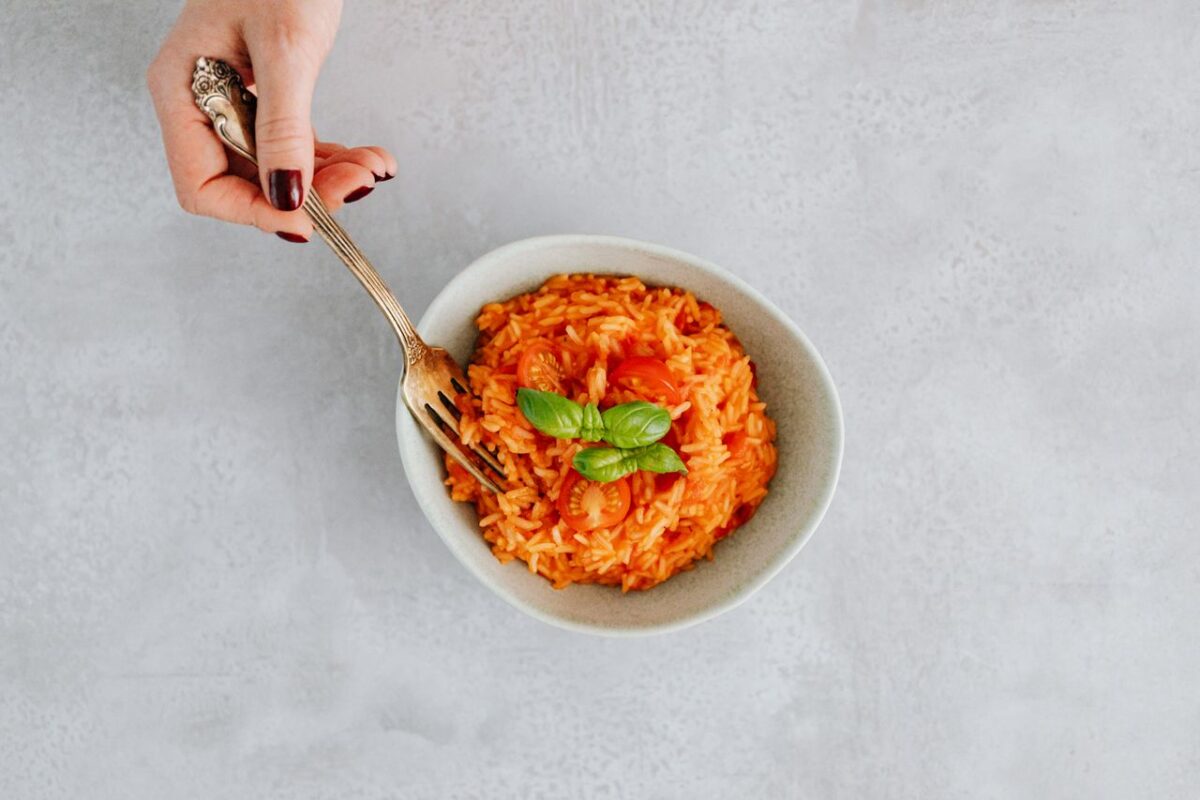
One of the easiest and most satisfying lunch box recipes is a simple Vegetable Pulao. It is light, aromatic, and packed with nutrients, making it ideal for kids and adults alike.
Vegetable Pulao

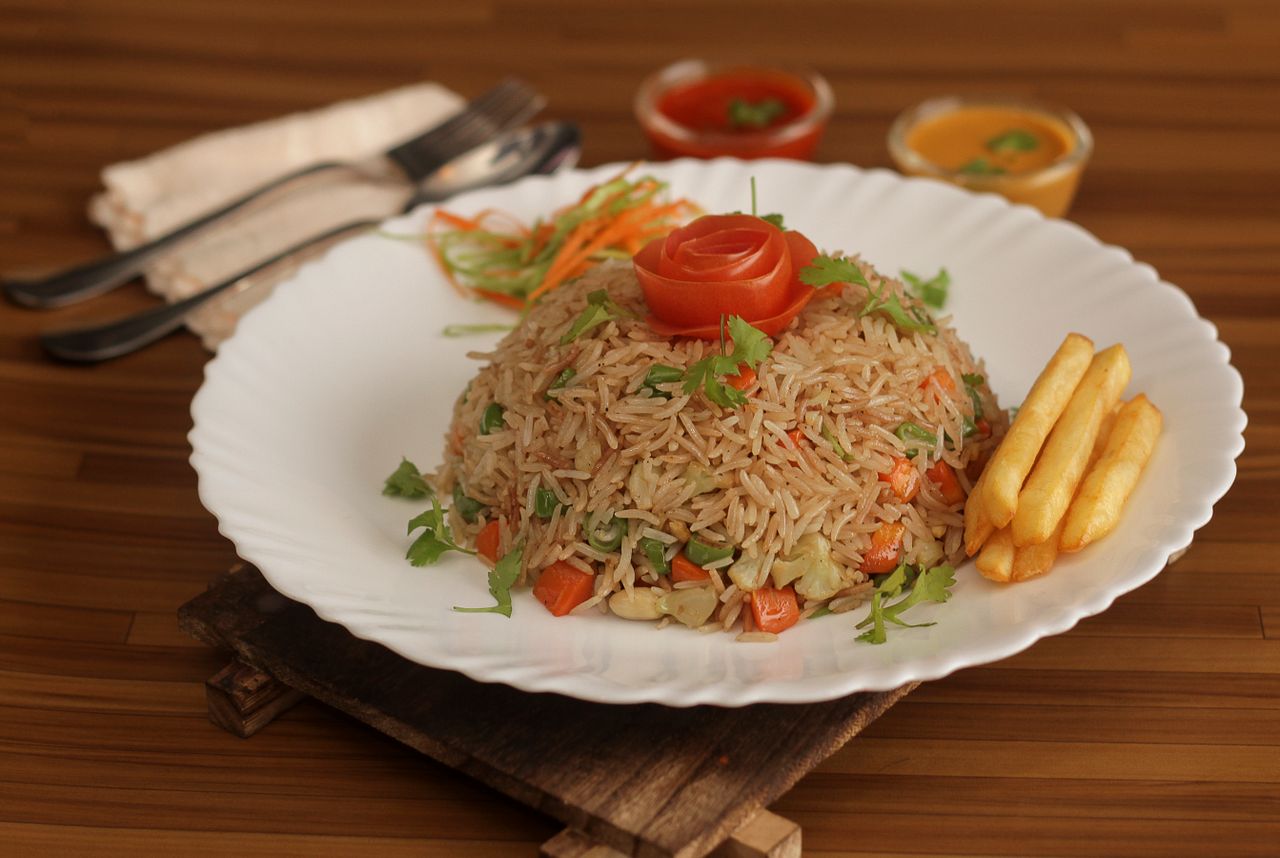
To prepare this Vegetable Pulao recipe, start by rinsing and soaking basmati rice for about 20–30 minutes. While the rice soaks, chop your vegetables: carrots, beans, peas, capsicum, and potatoes are commonly used, but you can also add cauliflower, sweet corn, or even paneer for extra protein. In a heavy-bottomed pan or pressure cooker, heat a little ghee or oil, then add whole spices like bay leaf, cloves, cardamom, cinnamon, and cumin seeds. Once they splutter and release their aroma, sauté finely sliced onions until golden, followed by ginger-garlic paste and green chilies if you prefer a mild heat.
Add the chopped vegetables and sauté for a few minutes so they absorb the flavors of the spices. At this stage, you can add a pinch of turmeric, a little garam masala, and salt to taste. Drain the soaked rice and add it to the pan, gently mixing so the grains are coated with the spiced oil. Pour in water in the usual pulao ratio (typically about 1¾ to 2 cups of water for 1 cup of rice, depending on the rice variety), then bring it to a gentle boil. Cover and cook on low heat until the rice is fluffy and the water is absorbed, or pressure cook for one to two whistles.
Once done, let the Vegetable Pulao rest for a few minutes before opening the lid and fluffing it with a fork. Garnish with fresh coriander leaves and, if you like, a squeeze of lemon juice. For the lunch box, you can pair this pulao with a simple raita, plain yogurt, or a small side salad. It keeps well for several hours, remains fragrant, and provides a balanced meal with carbohydrates, fiber, and vitamins, making this Vegetable Pulao recipe a dependable and wholesome choice for busy mornings.
Cabbage Fried Rice

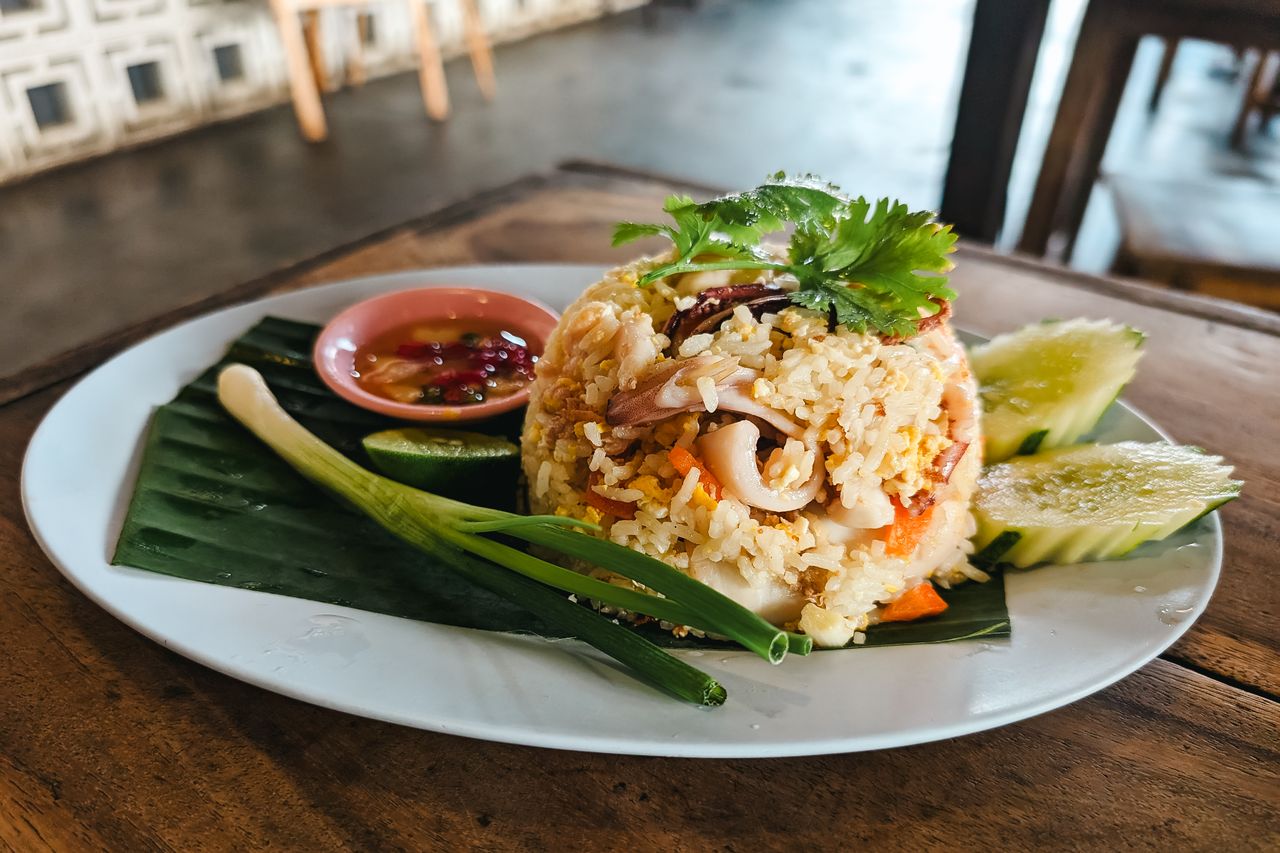
Cabbage fried rice is a simple, wholesome lunch box recipe that travels well and stays fresh until midday. It is also a practical way to use leftover rice while adding extra vegetables to the meal. To prepare it, you can start with cooked and cooled rice, as this helps each grain stay separate and prevents the dish from becoming mushy. Finely shredded cabbage is then stir-fried on high heat with a small amount of oil, along with aromatics like garlic, ginger, or spring onions. This quick cooking method helps the cabbage stay slightly crisp while developing a light smoky flavor.
Seasonings can be adjusted depending on who will be eating the lunch box. For a mild version, especially for children, a little salt, pepper, and perhaps a splash of soy sauce are enough. For a more robust flavor, you can add green chilies, chili sauce, or a drizzle of sesame oil. You can also increase the nutritional value of cabbage fried rice by adding finely chopped carrots, peas, capsicum, or scrambled egg. Once the cabbage and other vegetables are cooked, the rice is gently mixed in and stir-fried until everything is evenly combined and heated through.
For lunch boxes, it is important to let the cabbage fried rice cool slightly before packing, which helps reduce condensation and keeps the rice from becoming soggy. You can pair this lunch box recipe with a simple side like cucumber slices, yogurt, or a small portion of grilled or pan-fried protein.
Mango Rice Recipe
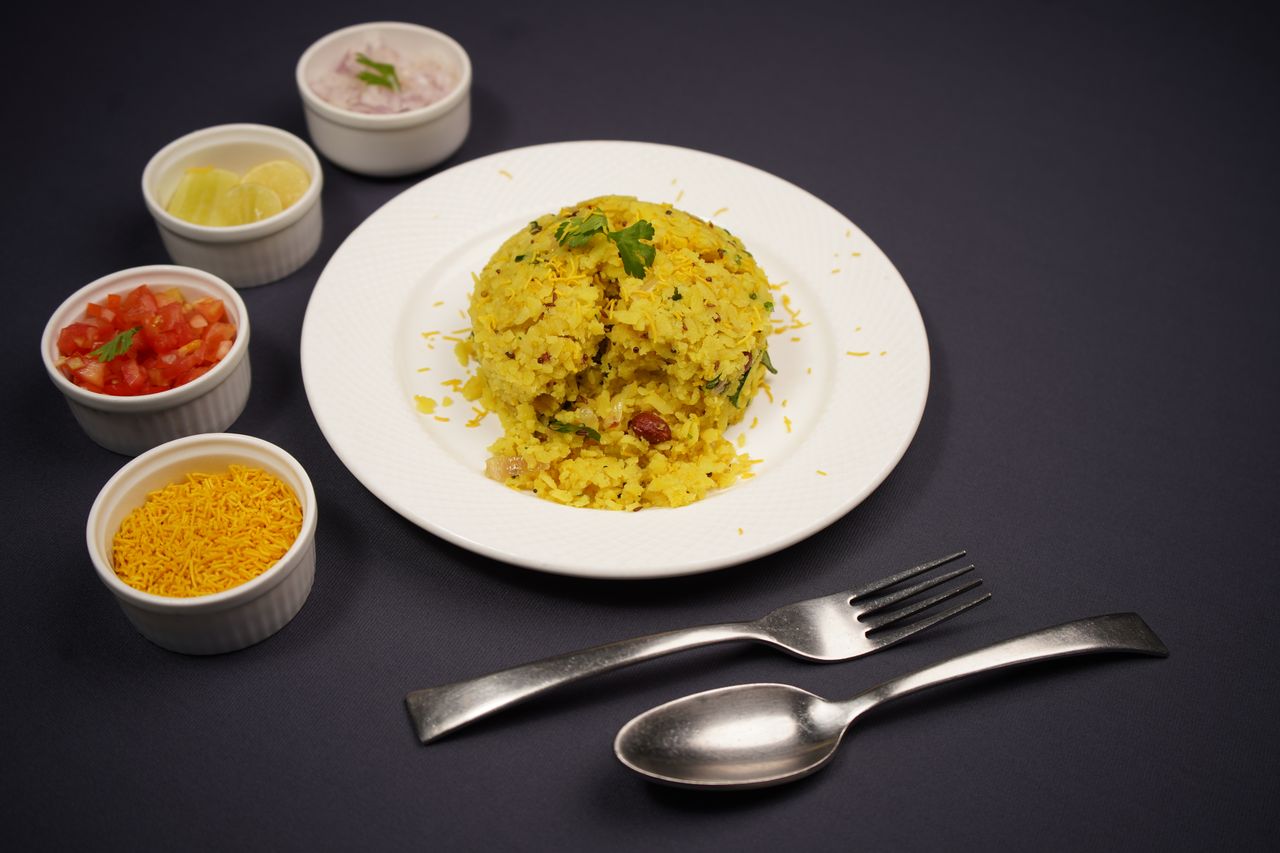
To prepare a basic mango rice recipe, you start with cooled, cooked rice so the grains stay separate. In a pan, warm some oil and add mustard seeds, curry leaves, dried red chilies, and a pinch of asafoetida if you like. Once they splutter, stir in grated raw mango, a little turmeric, salt, and, depending on your taste, a small amount of jaggery or sugar to balance the tang. Cook briefly until the mango softens but still retains its fresh, tart flavor. Gently mix this spiced mango mixture into the rice until everything is evenly coated. Garnish with roasted peanuts or cashews for crunch.
The fruity tang of mango also makes the rice appealing to children, especially when served with simple sides like plain yogurt, cucumber sticks, or a boiled egg for added protein. Over time, you can adapt the basic mango rice recipe by adding finely chopped vegetables or switching up the nuts and herbs, making it a reliable, customizable addition to your lunch box rotation.
Potato Rice
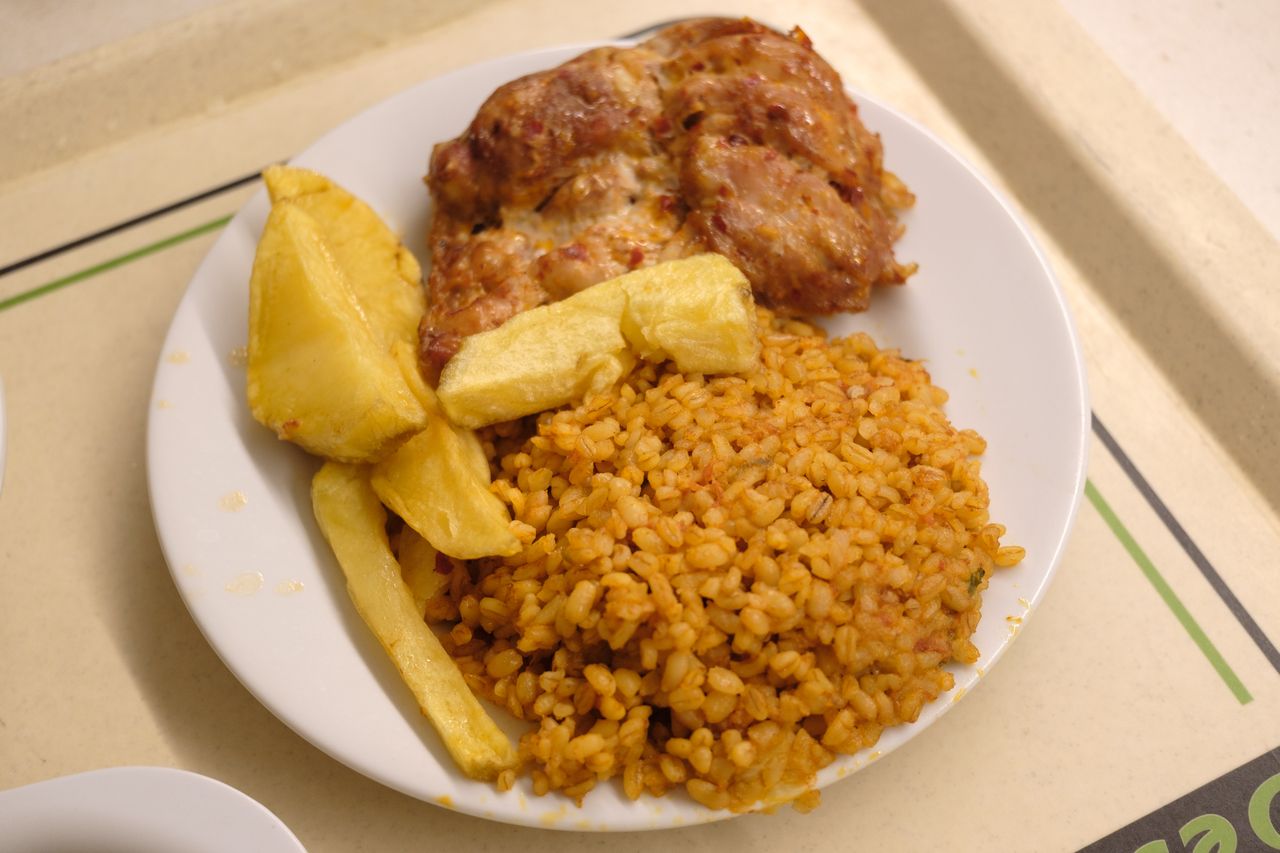
Lunch boxes can be both convenient and comforting, and a simple potato rice recipe is a great way to achieve that balance. This dish combines the familiar taste of potatoes with the heartiness of rice, making it filling enough to keep you energized through the day.
A basic potato rice recipe usually starts with cooked rice—leftover rice from the previous night works perfectly. Potatoes are diced and sautéed with onions, tomatoes, and a blend of spices like cumin, turmeric, and mild chili powder. Once the potatoes are tender, they are gently mixed with the rice so every grain is coated in flavor. This method keeps the rice fluffy while allowing the potatoes to add texture and substance.
One of the benefits of using a potato rice recipe for lunch boxes is its flexibility. You can adjust the spice level for children or add extra vegetables such as peas, carrots, or capsicum to increase the nutritional value. It can be packed with yogurt, salad, or a simple pickle on the side for a more complete meal.
Ghee Rice

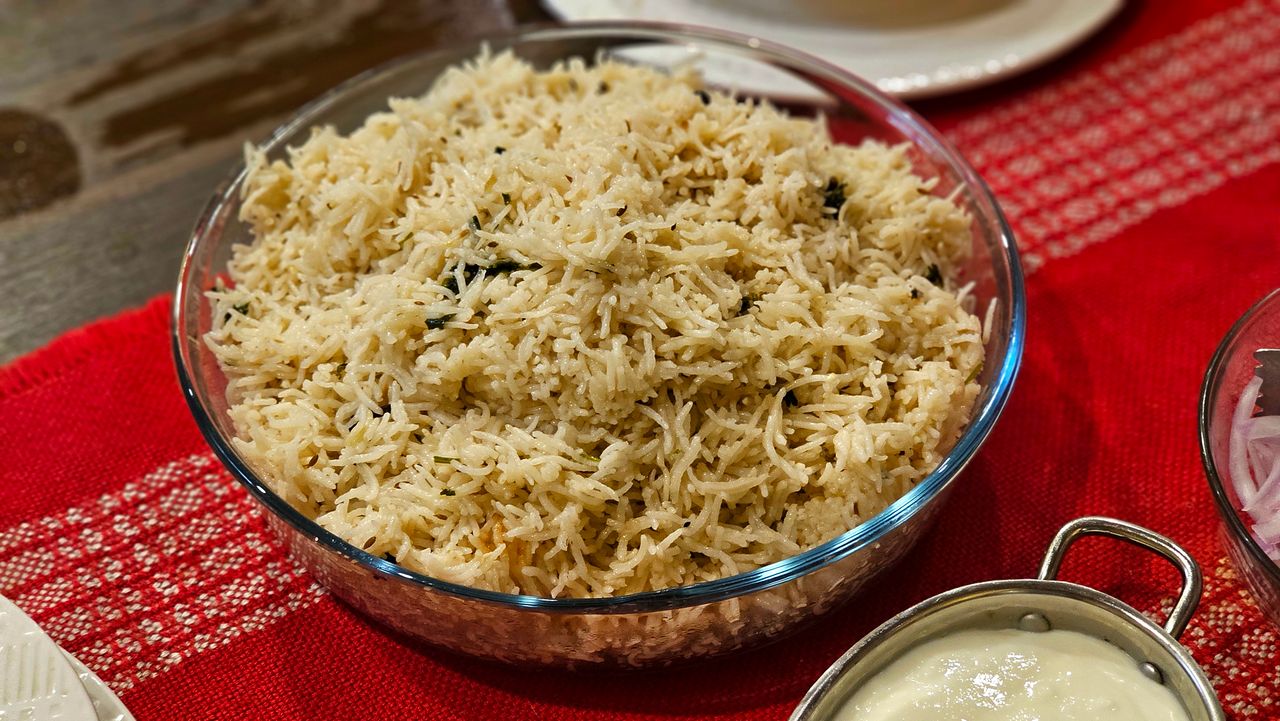
Ghee rice is essentially fragrant basmati rice cooked with clarified butter (ghee), whole spices, and sometimes gentle additions like peas, carrots, or fried onions. Because it’s naturally flavorful, it pairs well with a wide range of sides—yogurt, raita, simple vegetable stir-fries, grilled proteins, or even a plain boiled egg.
You can prepare a basic version with just rice, ghee, and whole spices like cloves, cardamom, bay leaves, and cinnamon, or turn it into a more substantial dish by adding vegetables and nuts. It’s also relatively quick to cook in the morning, especially if you soak the rice in advance or batch-cook and refrigerate portions for 2–3 days. A quick reheat with a small spoon of extra ghee can restore its aroma and texture.
From a nutrition perspective, ghee rice offers a comforting balance of carbohydrates and healthy fats. While it is richer than plain steamed rice, using a moderate amount of ghee can still fit into an everyday lunch box. Pairing it with fiber-rich vegetables, lentils, or salads helps round out the meal so it stays satisfying and nourishing through the afternoon.
Carrot Rice
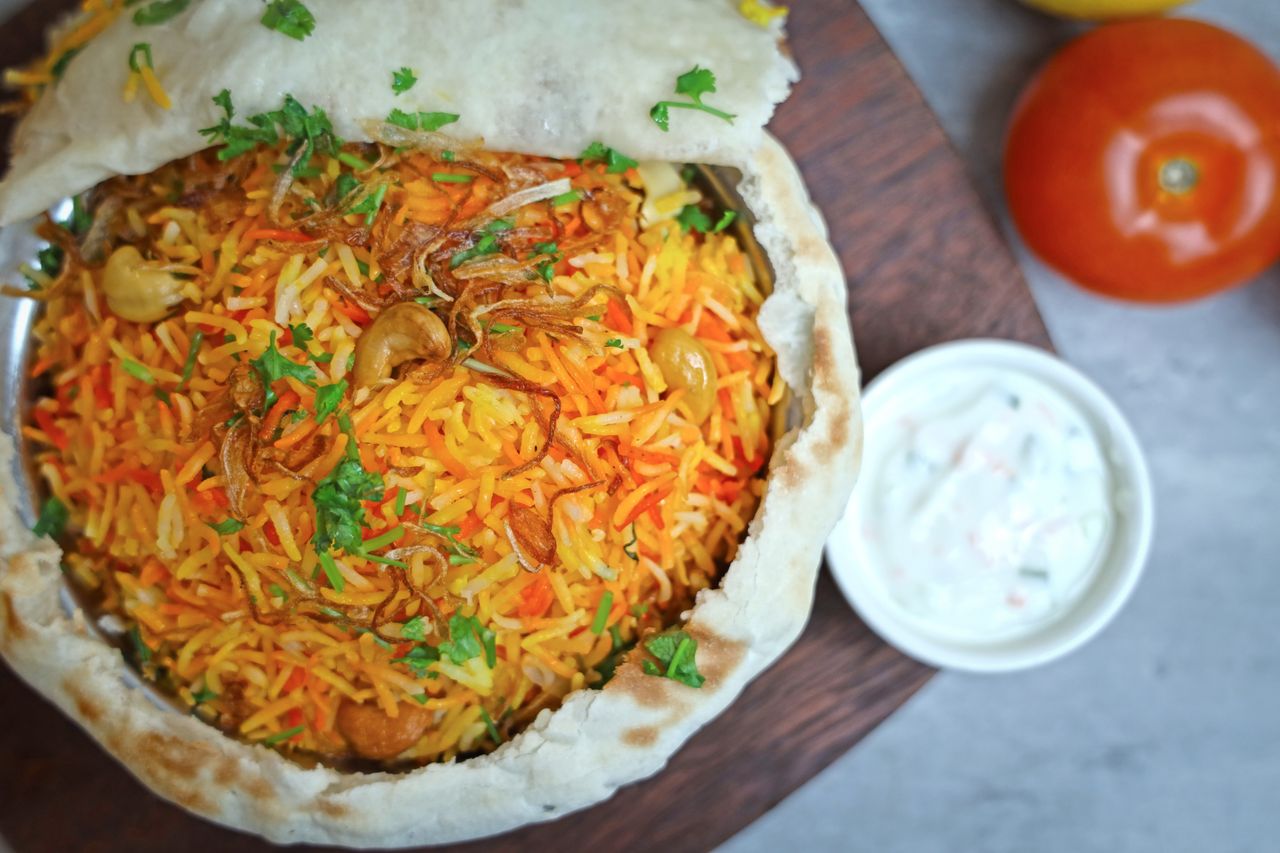
When it comes to quick and wholesome lunch box ideas, a simple carrot rice recipe can be a real lifesaver. It’s mildly spiced, colorful, and kid-friendly, while still being satisfying enough for adults. Carrots add natural sweetness, a gentle crunch, and a boost of nutrients like beta-carotene, fiber, and vitamins, making this dish both tasty and nourishing.
A basic carrot rice recipe starts with cooked rice (preferably cooled, leftover rice so the grains stay separate) and grated or finely chopped carrots. In a pan, you temper oil with mustard seeds, cumin seeds, and aromatics like onion, ginger, and garlic. Add the carrots and sauté until they soften slightly but retain some bite. Mild spices such as turmeric, coriander powder, and a pinch of garam masala or curry powder enhance the flavor without making the dish too heavy or spicy—ideal for a lunch box. Finally, you gently fold in the rice, ensuring every grain is coated with the carrot and spice mixture, and finish with fresh coriander leaves and a squeeze of lemon juice for brightness.
Jeera Rice
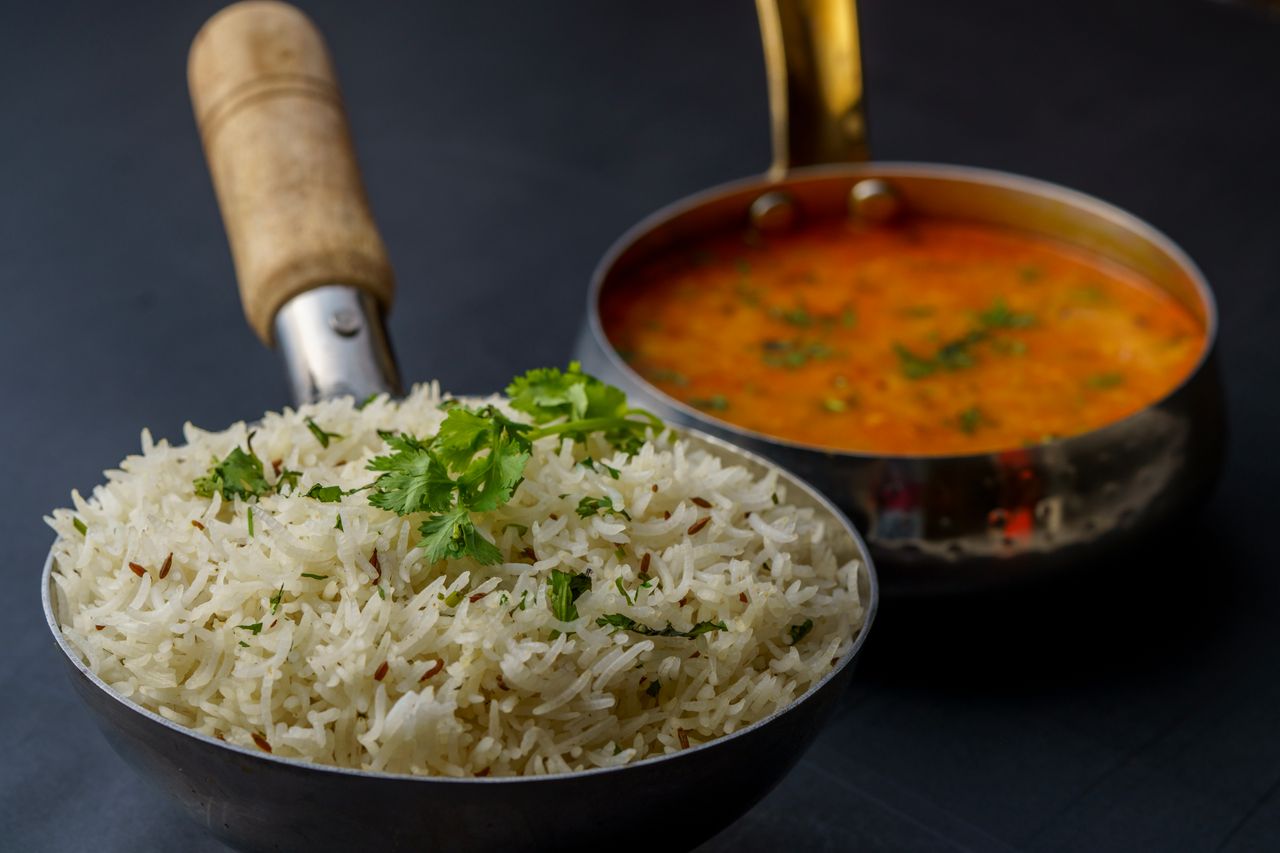
When you are planning lunch box recipes, a simple jeera rice recipe can quickly become a reliable favorite. Jeera rice is lightly spiced, aromatic rice flavored with whole cumin seeds (jeera), making it gentle on the stomach and easy to pair with many sides. To prepare it, you typically start by rinsing basmati rice until the water runs clear, then soaking it for about 20–30 minutes so the grains cook long and separate. In a pan or pressure cooker, you heat ghee or oil, add whole cumin seeds, and let them splutter until fragrant. Many variations also include whole spices like bay leaf, cloves, cardamom, or cinnamon for extra aroma. Once the spices release their fragrance, you add the drained rice, sauté briefly to coat each grain with the spiced fat, then add water and salt and cook until the rice is tender and fluffy.
For lunch boxes, this jeera rice recipe works especially well because the flavors deepen slightly as it cools, and the rice doesn’t feel heavy or greasy. It pairs well with simple sides like dal, vegetable curry, yogurt, or a dry stir-fry, allowing you to create balanced lunch box recipes without much effort. You can also add peas, finely chopped carrots, or corn to turn jeera rice into a more complete one-box meal.
Paneer Pulao

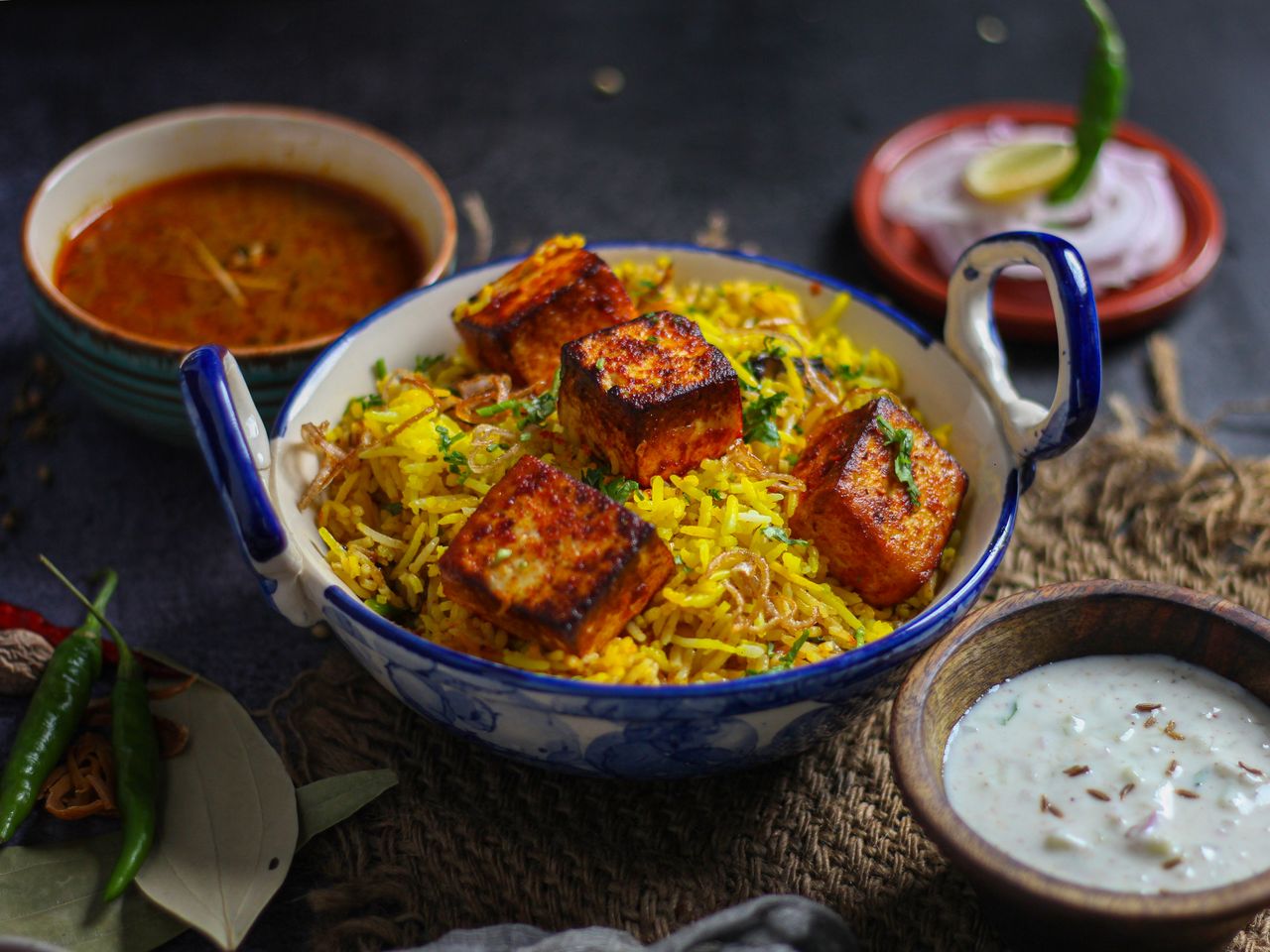
When you are planning lunch box recipes, a paneer pulao recipe is one of the most reliable options to include. It is mild, flavorful, and holds up well for a few hours, which makes it ideal for school or office lunches. Paneer provides protein, while rice and vegetables add carbohydrates and fiber, turning it into a complete one-box meal.
To prepare a basic paneer pulao recipe, you usually start by lightly sautéing whole spices such as cumin seeds, bay leaf, cinnamon, and cloves in a bit of oil or ghee. Then you add sliced onions, ginger-garlic paste, and optional green chilies, followed by mixed vegetables like peas, carrots, or beans. Soaked basmati rice goes in next, along with salt and water in the right proportion. Paneer cubes can be added either at this stage for softer, infused pieces, or pan-fried separately and mixed in at the end to keep them firm and golden.
The advantage of including this paneer pulao recipe in your lunch box rotation is that it is highly adaptable. You can adjust the spice level for kids, add more vegetables for extra nutrition, or pair the pulao with a simple raita or yogurt to keep the meal light yet satisfying. Prepared correctly, the rice grains stay separate, the paneer remains soft, and the flavors develop further by lunchtime, making it a practical and appealing choice for everyday lunch boxes.
Veg Biryani
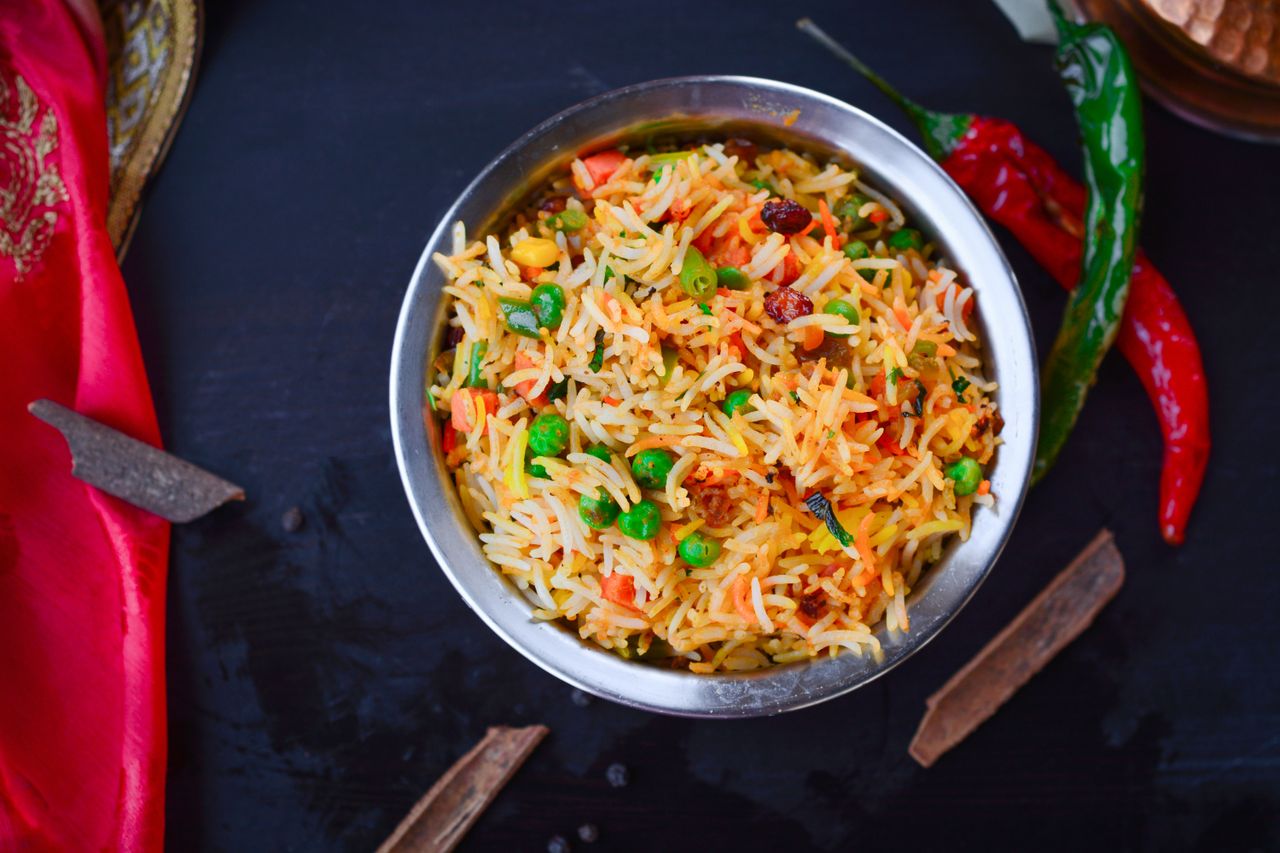
When it comes to packing a satisfying and balanced meal, a veg biryani recipe can be a lunch box game-changer.
Start by choosing long-grain basmati rice and soaking it for about 20–30 minutes; this helps the grains cook fluffy and separate. While the rice soaks, chop a mix of vegetables such as carrots, beans, peas, potatoes, and cauliflower. In a heavy-bottomed pan or pressure cooker, heat oil or ghee and sauté whole spices like bay leaves, cloves, cardamom, and cinnamon to build a strong base of flavor. Add sliced onions and cook until golden, then stir in ginger-garlic paste, tomatoes, and powdered spices such as turmeric, red chili powder, coriander powder, and a mild biryani masala.
Once the tomatoes soften, add your mixed vegetables, a spoon of yogurt (optional for richness), and salt. Sauté until the vegetables are lightly coated and partially cooked. Drain the soaked rice and add it to the pan, gently mixing so the grains don’t break. Pour in water in a 1:1.5 or 1:2 ratio (rice to water, depending on the rice quality), bring to a boil, then cover and cook on low until the rice is done. A final touch of chopped coriander and mint leaves will keep the biryani fresh-tasting even at lunchtime.
For lunch box convenience, let the veg biryani cool slightly before packing; this prevents condensation and sogginess. You can prepare the spice mix or even partially cook the vegetables the previous evening to save time in the morning. Paired with a simple raita or yogurt on the side, this veg biryani recipe offers a fragrant, filling, and portable lunch that feels special yet fits neatly into a busy weekday routine.
Tomato Bath Recipe

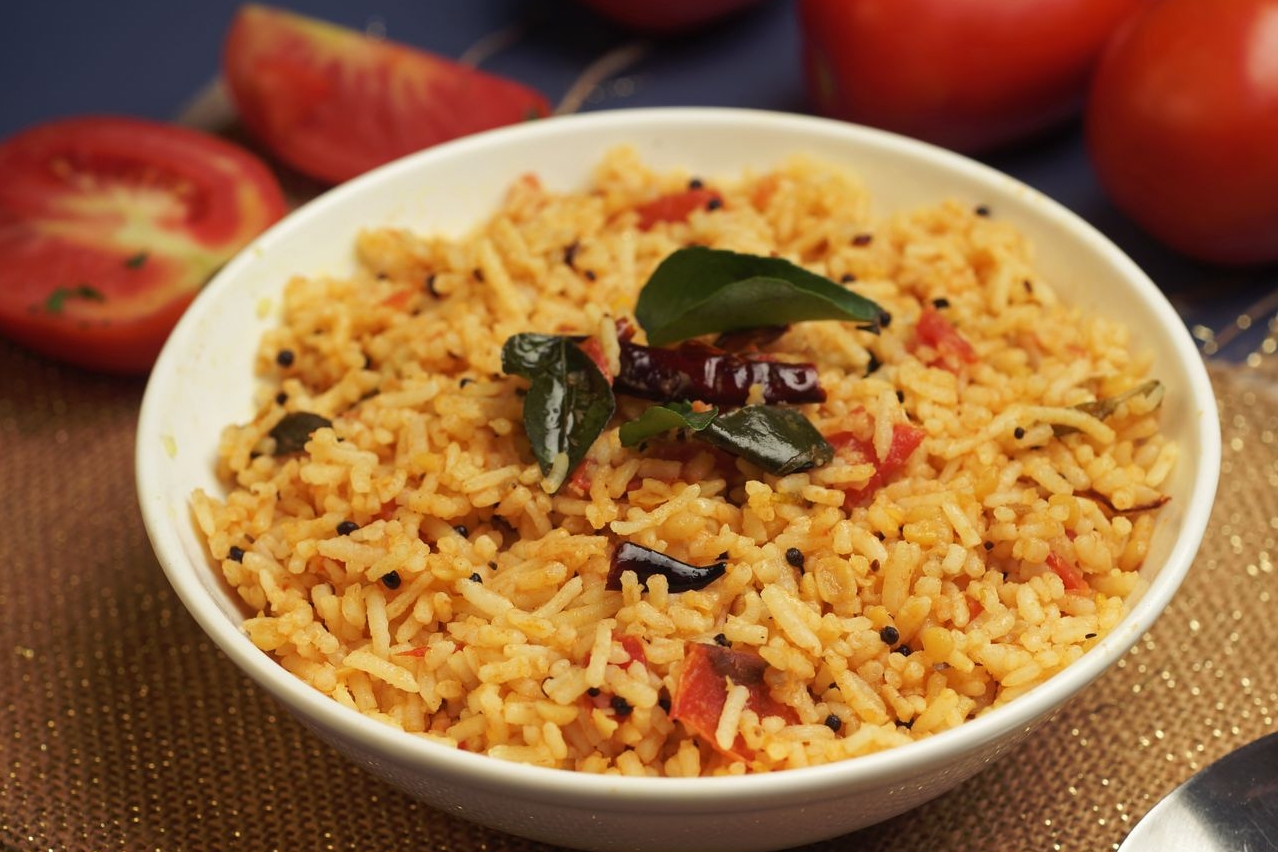
When it comes to quick and satisfying lunch box recipes, a classic South Indian tomato bath recipe is a dependable favorite. This one-pot rice dish is mildly spiced, tangy from ripe tomatoes, and aromatic with basic pantry spices, making it both comforting and convenient for busy mornings.
Tomato bath is prepared by sautéing onions, ginger, green chilies, and curry leaves in oil or ghee, then adding chopped or pureed tomatoes and cooking them down until the raw smell disappears and the mixture thickens. Basic spices like turmeric, red chili powder, and a touch of garam masala or sambar powder give it depth, while mustard seeds, cumin, and urad dal in the tempering add a subtle crunch and flavor. Once the tomato base is ready, pre-cooked rice is gently mixed in, allowing every grain to absorb the tangy, spiced masala. Garnishing with fresh coriander and a sprinkle of grated coconut, if you like, makes it even more lunch box–friendly and aromatic.
Lemon Rice

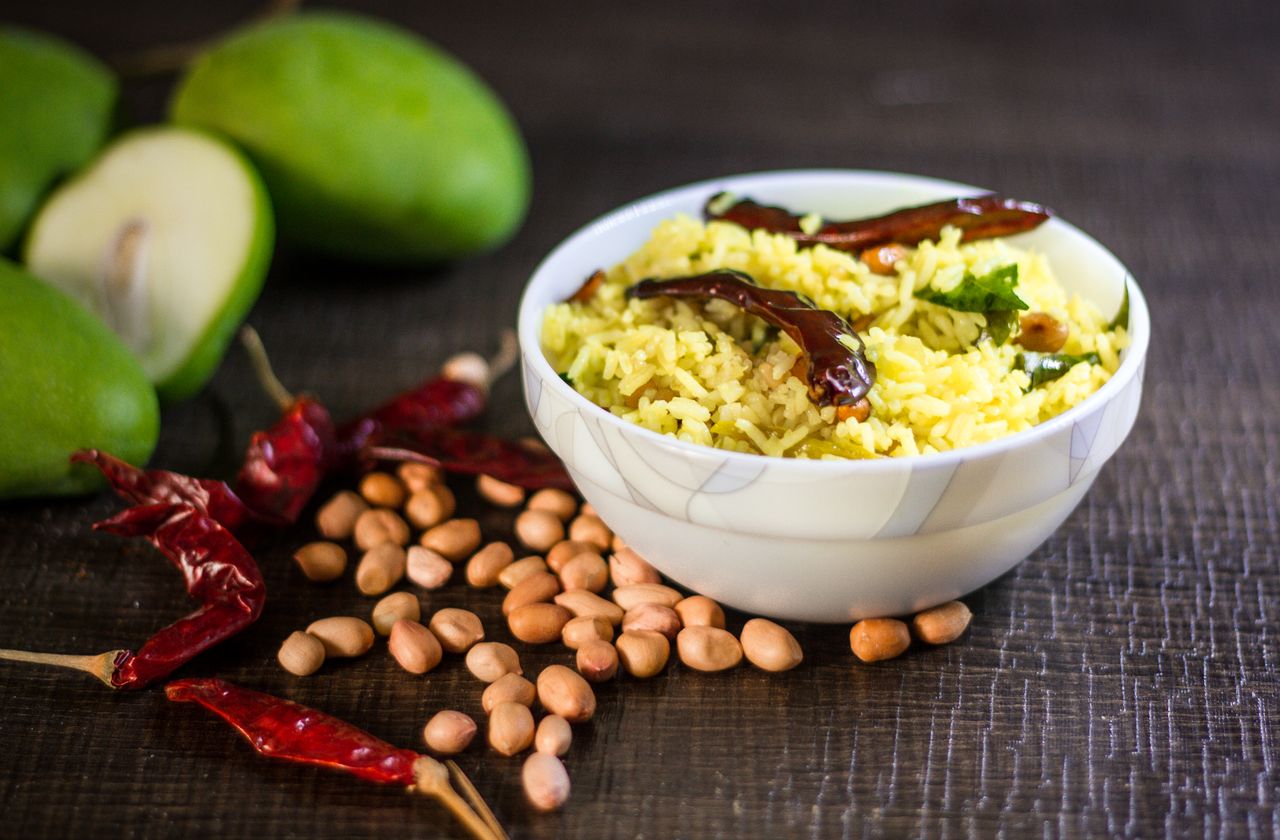
Lemon rice is a vibrant, tangy South Indian classic that works perfectly as a lunch box recipe because it stays fresh, tastes great at room temperature, and doesn’t get soggy.
To make it, you start with cooked, cooled rice—this helps each grain stay separate and fluffy. In a pan, heat a little oil and add mustard seeds; once they splutter, follow with urad dal and chana dal for crunch. Then add finely chopped green chilies, ginger, curry leaves, and a pinch of turmeric for that signature yellow color. Some people like to add peanuts or cashews for extra texture and protein, which makes the dish more filling and suitable for a midday meal.
Turn off the heat and let the tempering cool slightly before adding freshly squeezed lemon juice. This helps retain the bright, fresh flavor without any bitterness. Gently mix this seasoned oil into the rice, ensuring it’s evenly coated. Taste and adjust salt and lemon to your preference—the balance of tang and salt is key to a good lemon rice recipe. Packed into a lunch box, lemon rice pairs well with simple sides like cucumber slices, yogurt, or a mild vegetable stir-fry.
Coconut Milk Rice
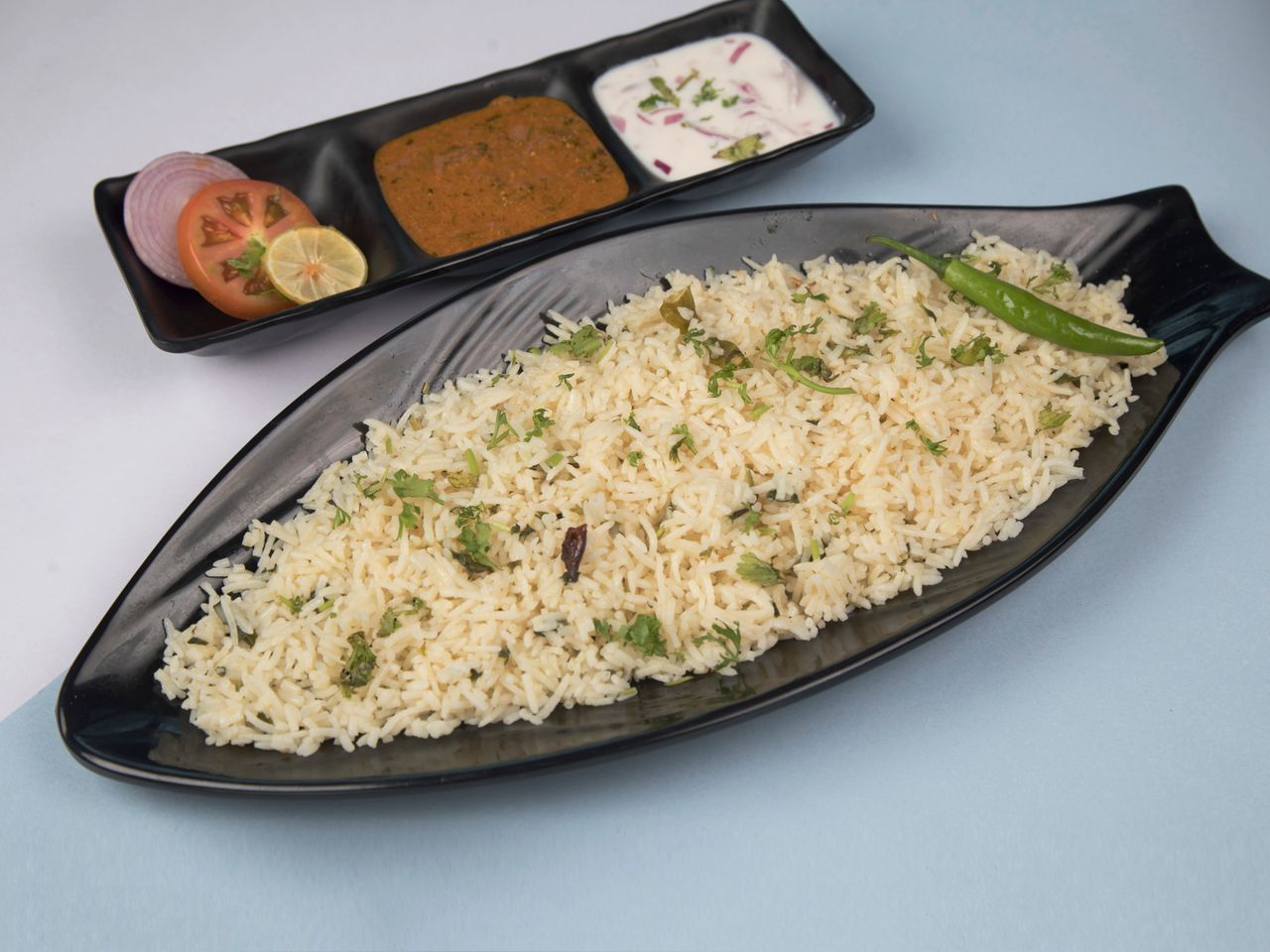
Lunch box recipes don’t have to be complicated to be delicious, and a coconut milk rice recipe is a perfect example of this. It’s mild, creamy, and naturally fragrant, making it appealing for both kids and adults. Coconut milk rice works well as a base for many lunch box combinations: pair it with grilled chicken, stir-fried vegetables, paneer, or even a simple boiled egg and cucumber salad. Because of its subtle flavor, it can complement spicy sides or stand on its own with just a sprinkle of roasted nuts and fresh herbs.
To prepare a simple coconut milk rice recipe, you typically cook rinsed basmati or long-grain rice in a mixture of coconut milk and water, seasoned with salt and perhaps a few whole spices like bay leaf or a stick of cinnamon for extra aroma. The coconut milk adds richness without making the rice heavy, and it stays soft and moist even after a few hours in a lunch box, which is especially useful if the meal will be eaten later in the day. You can also add peas, sweet corn, or finely chopped carrots directly into the rice while cooking to turn it into a more complete one-pot lunch.
From a nutritional perspective, coconut milk rice can be part of a balanced lunch box when paired with a good source of protein and fresh vegetables. While coconut milk does contain fat, it also provides a satisfying, energy-dense base that helps keep you full longer, reducing the temptation to snack on less healthy options. For added variety, you can adjust the coconut milk rice recipe each week by changing the toppings: toasted sesame seeds, coriander leaves, lemon wedges, or a side of yogurt all bring a slightly different twist. This makes coconut milk rice a versatile, reliable addition to any lunch box rotation.
Soya Chunks Biryani


A soya chunks biryani recipe is a great choice because it’s filling, flavourful, and travels well without getting soggy. Soya chunks are known for their high protein content and meat-like texture, making them ideal for both vegetarians and anyone trying to add more plant-based protein to their meals.
To prepare a simple lunch box–friendly soya chunks biryani, you start by soaking the soya chunks in hot water until they soften, then squeezing out excess water so they can absorb the spices better. After that, marinate them in yogurt, ginger-garlic paste, and biryani spices to infuse them with flavour. In a separate pan, lightly sauté whole spices like bay leaf, cloves, cardamom, and cinnamon, then add onions, tomatoes, and your marinated soya chunks. Once the mixture is cooked and aromatic, layer it with partially cooked basmati rice, a drizzle of ghee, and some fresh herbs like coriander and mint. Let it steam on low heat until the rice is fully done and the flavours have melded together.
This soya chunks biryani recipe works especially well for lunch boxes because the grains of rice stay separate, the spices deepen in flavour over a few hours, and the soya chunks remain soft yet firm. You can cook it the night before, cool it slightly, and then store it in the fridge to pack in the morning. Pair it with a simple cucumber raita or plain yogurt and some sliced salad vegetables for a balanced, satisfying lunch that keeps you energized through the afternoon.