As we grow older, movement needs can shift more significantly, often affecting balance, coordination, and overall walking confidence in ways that are hard to ignore. What once felt natural and effortless can gradually become more physically demanding, requiring greater control and stability with each step.
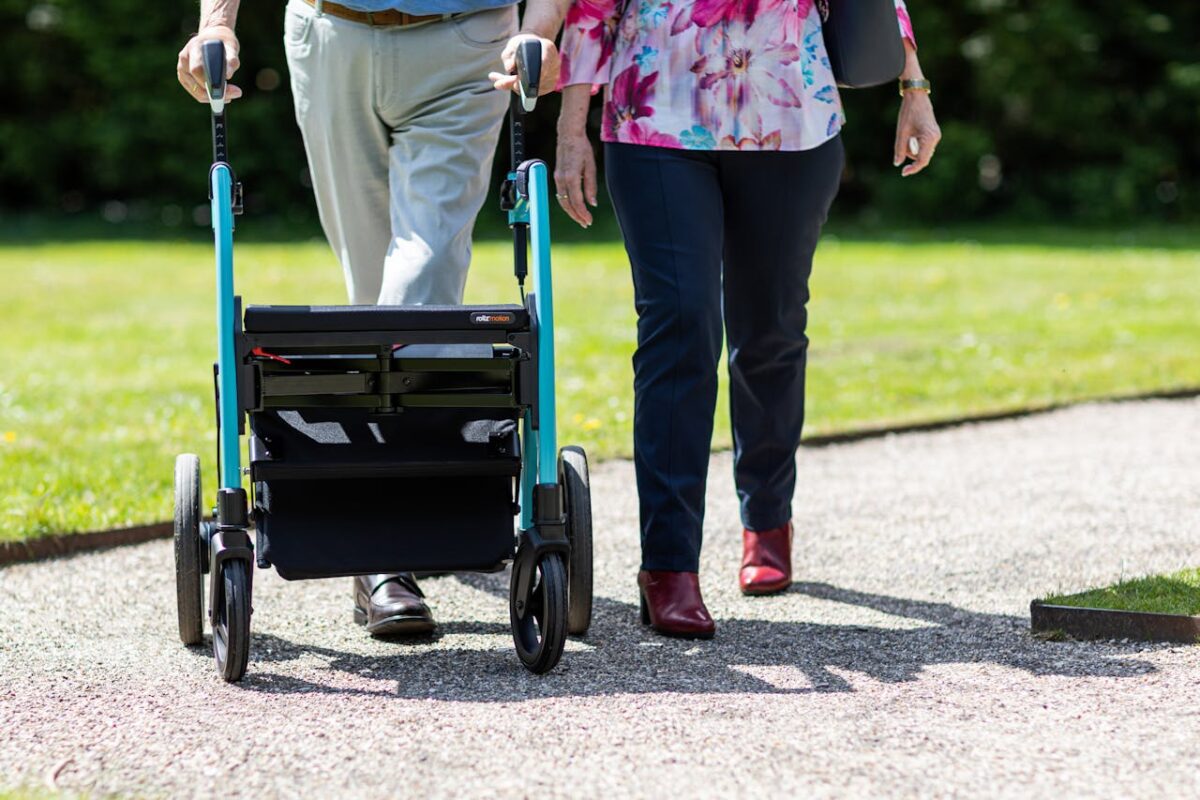
As these changes progress, reliable support solutions like walkers become increasingly important for maintaining comfort, stability, and safety while moving. With multiple designs available, including a wheeled walker, these mobility solutions can be tailored to different levels of support and everyday usage patterns.
In this blog, we’ll explore how walkers with wheels contribute to safer and more comfortable walking.
5 Key Ways Wheeled Walkers Support Stability and Daily Independence
Wheeled walkers play an important role in improving mobility, combining physical support with thoughtful design features that make everyday mobility safer and more manageable.
Here are five key ways wheeled walkers help, along with the features that enable this support:
- Improved Balance and Fall Prevention
A wide, stable frame helps distribute body weight evenly on both sides, improving balance and reducing the chances of tipping while walking.
- Hand-operated brakes allow users to slow down or stop instantly, offering better control on uneven surfaces or slight inclines.
- Non-slip, ergonomic hand grips provide a secure and comfortable hold, even during extended use or when hands are slightly fatigued.
- A low center of gravity in the frame design enhances overall stability, making the walker feel more grounded during movement.
- Durable, textured wheels improve traction, helping maintain grip across smooth indoor floors and slightly rough outdoor paths.
- Continuous support from the frame helps stabilize each step, especially for users who experience unsteadiness.
- Controlled forward movement reduces sudden shifts in momentum that can lead to imbalance.
Together, these features create a safer walking experience by minimizing fall risks and improving overall confidence.
- Smoother Movement with Reduced Physical Effort
A walker with wheels allows users to move forward smoothly without lifting the frame, making walking feel more natural and less interrupted.
- Lightweight materials such as aluminum reduce the effort needed to push or guide the walker during use.
- Smooth-rolling wheels help maintain consistent motion, allowing users to move easily across different surfaces without resistance.
- Front or all-wheel configurations improve maneuverability, making it easier to change direction or navigate around obstacles.
- Ergonomic handles are designed to fit comfortably in the hands, reducing strain on the wrists and improving control.
- Eliminating the need to lift the walker reduces pressure on the shoulders and upper body.
- More efficient movement helps conserve energy, especially during longer periods of activity.
This combination of features makes daily mobility less physically demanding and more comfortable overall.
- Better Posture and More Controlled Walking
With the right combination of structural support and user-focused features, these walkers help reduce unnecessary strain while improving overall movement quality.
- Adjustable height settings allow the walker to be aligned with the user’s natural posture, promoting a more upright position.
- Keeping the arms slightly bent while using the walker helps reduce strain on the shoulders, neck, and back.
- Proper alignment prevents users from leaning forward excessively, which can otherwise affect balance.
- Contoured or padded grips improve hand positioning, allowing for better control over direction and speed.
- Stable frame support encourages even weight distribution during each step.
- Controlled pacing helps users avoid hurried or uneven walking patterns.
- Consistent positioning of the walker supports smoother and more predictable movement.
Over time, these features contribute to improved posture and a more comfortable walking experience.
- Reduced Fatigue During Daily Movement
Wheeled walkers support a portion of body weight, reducing pressure on joints such as the knees, hips, and ankles.
- Lightweight construction makes the walker easier to handle, especially during extended use throughout the day.
- Built-in seating provides a convenient option to rest whenever needed, without relying on external support.
- Padded hand grips reduce strain on the hands and palms during prolonged use.
- Smooth rolling motion requires less energy to maintain movement.
- Reduced physical effort per step helps users stay active for longer durations.
- Balanced support prevents overuse of specific muscle groups, reducing overall fatigue.
As a result, daily movement becomes less exhausting and more sustainable over time.
- Greater Independence and Everyday Convenience
Wheeled walkers are designed to make daily movement more practical and self-sufficient by combining reliable support with features that simplify everyday tasks.
- Storage pouches or baskets allow users to carry personal items such as phones, water bottles, or small essentials with ease.
- Foldable designs make wheeled walkers easy to store in compact spaces or transport when needed.
- Reliable structural support reduces the need for constant assistance from others during movement.
- Improved stability allows users to navigate indoor and outdoor spaces with greater confidence.
- Easy maneuverability helps in moving through narrow areas or around furniture.
- Consistent control over movement enables users to manage their own pace comfortably.
- Practical features simplify everyday routines, making mobility more convenient.
Over time, these benefits support a more independent and self-reliant lifestyle.
Move with Confidence Using the Right Support
Choosing the right mobility support requires careful consideration of daily routines, physical comfort, and the level of assistance needed for safe movement. Taking time to evaluate these factors helps ensure the selected option fits naturally into everyday use.
Consistency in using the right support can make movement feel more controlled and less uncertain over time. Many brands, such as AGEasy, offer thoughtfully designed options that cater to different mobility needs and usage preferences.
Focusing on proper selection and regular use can help create a more stable walking experience. With the right approach, seniors can continue moving through their day with greater ease and a stronger sense of confidence.