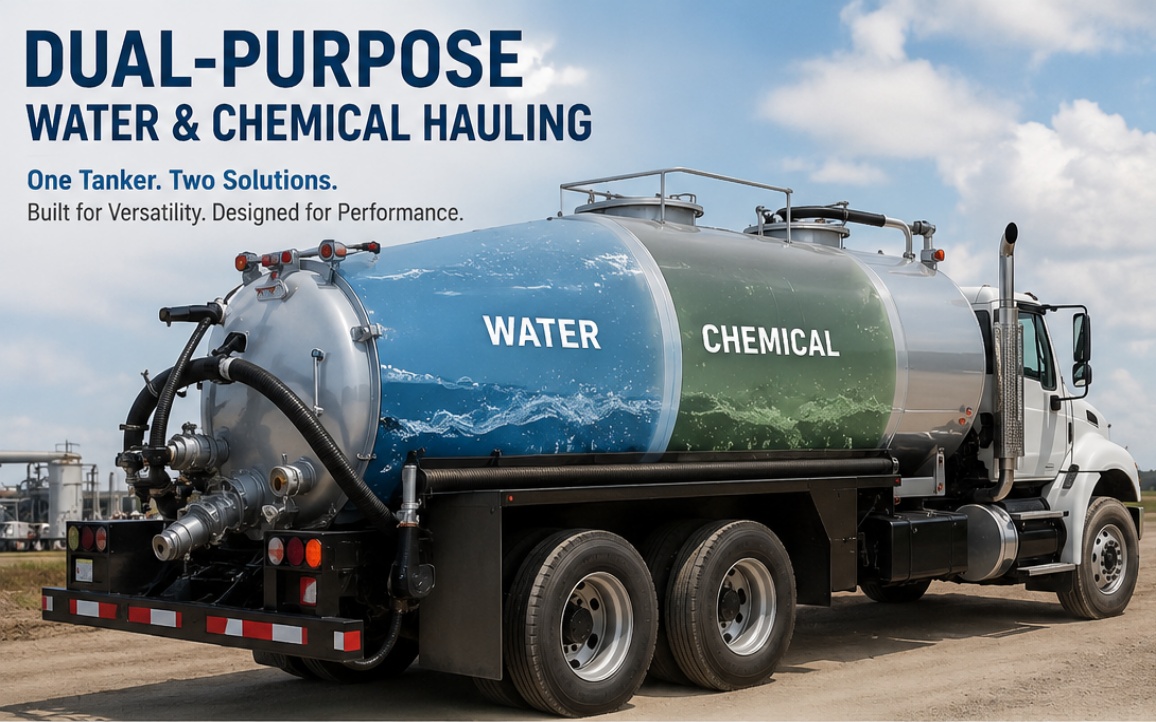
Dual-purpose hauling is useful when a site needs to move water and compatible chemicals without maintaining a completely separate transport setup for every task. The aim is not to make one tank suitable for every liquid, but to create practical hauling arrangements for washdown, dust suppression, irrigation, fertiliser, cleaning agents, process liquids or other controlled fluids. The best ideas combine flexibility with clear limits, safe separation and simple changeover routines.
Use One Trailer For Multiple Tank Setups
A practical dual-purpose idea is to use one trailer or vehicle platform with interchangeable tanks. One tank can be reserved for water, while another is used for compatible chemicals, fertiliser or treatment liquids. This keeps the transport setup efficient without forcing every liquid through the same tank, pump and hose system.
This works well for farms, civil sites, mine operations and industrial yards where tasks change throughout the week. A vehicle might haul water for dust control one day, then carry a separate chemical-rated tank for dosing or site treatment the next. Businesses comparing these arrangements may review TTI water cartage tanks and transport solutions alongside other industry options to assess tank size, frame design, pump placement and transport practicality.
Separate Water And Chemical Hose Kits
Separate hose and fitting kits make dual-purpose hauling safer and easier to manage. Even when the same transport platform is used, hoses, pumps, valves and nozzles can retain residue. This can create contamination risks if water is later used for irrigation, washdown, livestock areas or processing environments.
A site may use one clearly marked hose set for water, another for fertiliser and another for cleaning chemicals. This reduces operator guesswork and helps prevent accidental mixing at transfer points.
Choose Tanks For The Tougher Liquid
For dual-purpose use, the tank should be selected around the more demanding liquid, not the easiest one. Water is usually less aggressive than fertilisers, detergents, acids, alkalis or process chemicals, so a tank that suits water may not suit chemical hauling.
Chemical-compatible polyethylene or stainless steel can provide more flexibility when matched to the liquids being carried. Seals, gaskets, lids and valves should also be checked, as these parts may fail before the tank body. This approach works best when a site has a defined list of approved liquids.
Add Bunded Filling And Decanting Points
Dual-purpose hauling should include a controlled area for filling, draining and cleaning. Water spills can create slip hazards, while chemical spills may lead to clean-up costs, surface damage and environmental risk. A bunded transfer point keeps these tasks contained.
This is useful when tanks move between paddocks, workshops, production areas or remote work sites. A bunded area gives operators a safer place to connect hoses, check for leaks, rinse fittings and manage residue before transport.
Use Modular IBCs For Smaller Loads
Intermediate bulk containers are useful when a site needs flexibility but does not always need a large transport tank. IBCs can support smaller batches of water, fertiliser, cleaning products, process liquids or site treatment chemicals, provided each use is compatible with the container.
A modular IBC setup can also reduce downtime. Instead of cleaning one large tank between every task, operators can allocate different IBCs according to chemical compatibility and liquid group. This suits wineries, breweries, workshops and chemical-handling sites where smaller, controlled volumes are easier to manage.
Build A Clear Changeover Routine
Dual-purpose hauling depends on a reliable changeover process. The routine should cover draining, rinsing, inspection, drying and recording what the tank last carried. Without this step, residue from one load may affect the next.
The process should also state when a tank is no longer suitable for water use after chemical hauling. Some liquids leave odour, staining or residue that makes a full changeover impractical. In those cases, the better option is to dedicate the tank to one liquid group while still sharing the trailer, frame or transport platform.
Flexible Hauling Works Best With Limits
Dual-purpose water and chemical hauling is less about making one tank do everything and more about designing a flexible system with safe boundaries. Interchangeable tanks, dedicated hose kits, modular IBCs, bunded transfer areas and clear changeover routines all help businesses move different liquids without creating unnecessary contamination or spill risks. The strongest setup is one that improves flexibility while making it clear which tank, hose and process should be used for each job.