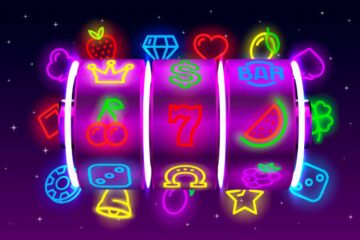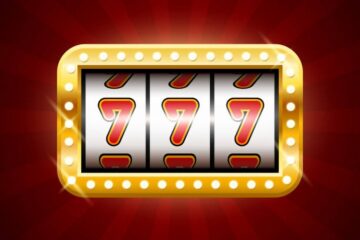
Have you ever noticed how some online slots feel easy to understand almost instantly? That feeling usually comes from familiarity, not luck or instinct. Developers use repeated visual patterns, predictable controls, and common feature layouts so players spend less effort figuring out what is happening on screen.
Lower effort matters because online slots move fast. A player who understands the symbols, buttons, and feedback without stopping to think can settle into the experience quickly. Familiar design reduces mental work, shortens learning time, and keeps attention on the spin itself rather than on decoding the interface.
This effect is not accidental. Online slots often borrow from patterns people already know from older slot machines, mobile apps, and common digital interfaces. The result is a format that feels readable from the first few seconds, even when the theme, art, or bonus features are new.
Why Familiarity Reduces Mental Load
Familiarity acts like a shortcut for the brain.
People process known patterns faster than new ones because recognition takes less effort than analysis. If a player sees reels in the center, paylines highlighted in bright colors, and a spin button in the lower area, the layout already makes sense before any instruction appears. That reduces hesitation and lowers the chance of confusion.
Online slots use this principle by repeating structures across many titles. Symbols land in grids that look similar, winning lines light up in expected ways, and feature prompts appear in common positions. Even if the artwork changes from one title to another, the underlying structure stays close enough to feel familiar.
This is one reason phrases like slot gacor gampang menang appear in player conversations, because people often describe easy-to-read games as easier to approach. The phrase reflects perceived accessibility more than any proven outcome, and that accessibility often starts with familiar design choices.
Recognition Beats Relearning
Each time a player does not need to relearn a control, cognitive effort drops. A clearly marked spin button, autoplay toggle, and bet adjustment panel work because they are instantly recognizable. If those basics moved around with every new slot, players would waste energy on orientation instead of play.
Recognition also helps with pacing. Slots are built around repeated actions, so even a small reduction in effort per spin changes the whole experience. Familiar controls let the repeated cycle continue without interruption.
How Visual Templates Build Comfort Fast
Much of slot familiarity starts with visual repetition.
Most online slots present information using templates that rarely change in a dramatic way. Reels stay central, balance information stays near the top or bottom, and action buttons stay within thumb-friendly zones on mobile screens. This consistency helps players scan the screen quickly and know where to look next.
Color also does part of the work. Bright tones often signal wins, bonus triggers, or active buttons, while dimmed elements suggest inactivity. Players do not need detailed instructions if the color logic matches patterns they already know from apps and digital products they use every day.
Icons Do More Than Decoration
Symbols in slots are not just thematic art. They function like signs. Wild symbols usually stand out with stronger borders, larger labels, or special animation so players can identify their role at a glance. Scatter symbols often receive similar treatment because they trigger events that matter.
Animation adds another layer of familiarity. Flashing lines, expanding reels, and pulsing buttons direct attention in expected ways. The brain reads motion as importance, so players understand what just happened without reading a long explanation.
Why Repeated Feature Logic Matters
Bonus systems also benefit from familiar structure.
Many slots introduce free spins, multipliers, expanding symbols, or pick-style bonuses using patterns players have already seen before. The details can vary, but the underlying logic remains stable. A special symbol triggers a round, a counter shows how many turns remain, and visible labels explain the reward condition. This consistency lowers effort because players can predict how the feature will behave.
That predictability matters most during moments of speed and excitement. If a bonus round starts and the player already understands the general format, they can follow it without pausing. The mechanic feels readable even if the art style is new.
Some communities mention names like OLYMPUS88 while discussing slots that feel easy to follow, and that language points to perceived clarity rather than technical complexity. Players often respond positively to games that explain themselves through familiar feature logic instead of heavy instruction.
Small Rule Changes Stay Manageable
Developers can still add novelty without raising effort too much. They often keep the main structure familiar while changing one feature at a time, such as adding cascading wins or a reel modifier. Because the rest of the interface stays readable, the new idea feels manageable rather than confusing.
This balance helps slots stay fresh without becoming hard to parse. Players can absorb one new rule more easily than five unrelated changes at once.
The Role Of Muscle Memory In Repeated Play
Physical habits are part of familiarity too.
On touchscreens and desktops, players build muscle memory around where controls sit and how interactions respond. Tapping spin, checking balance, opening paytable details, and adjusting stake become automatic after only a short time if the interface follows common patterns. That reduces effort because actions stop requiring conscious planning.
Responsiveness strengthens this effect. A button that reacts instantly with a small visual cue confirms the action and prevents uncertainty. If controls lag or behave inconsistently, players must stop and verify each input, which raises mental strain.
Consistency Supports Flow
Flow depends on repeated actions feeling stable. If the same tap always starts a spin and the same icon always opens information, the player remains oriented. That orientation is a form of comfort created by repetition, not by simplicity alone.
Even tiny changes can interrupt flow. A hidden menu, an unusual icon, or an overcomplicated animation can force the brain back into problem-solving mode. Familiarity helps avoid those breaks.
Audio And Feedback Also Lower Effort
Sound design often carries information faster than text.
Online slots use repeated audio cues to tell players what happened without requiring close visual inspection. A light click can confirm a spin, a brighter tone can mark a win, and a more dramatic cue can announce a bonus trigger. Players learn these patterns quickly and start responding to them automatically.
Feedback works best when it is immediate and consistent. Visual flashes, count-up animations, and sound effects together create a clear cause-and-effect chain. The player taps, the reels move, symbols stop, and the result is signaled in a familiar sequence. That chain removes ambiguity and keeps the interface easy to read.
Clear Signals Reduce Decision Friction
Decision friction appears when players have to stop and ask what a result means. Familiar feedback reduces that pause. If a sound always signals a triggering event and a certain animation always marks a line win, the player can interpret outcomes almost instantly.
This matters because slots rely on fast recognition. The less time spent decoding feedback, the smoother the experience feels.
Why Familiarity Can Feel Effortless Without Being Simple
Comfort and simplicity are not exactly the same thing.
A slot can contain many features and still feel easy to follow if those features are introduced through known patterns. Familiarity does not remove complexity by itself. It helps players manage complexity by attaching new details to structures they already understand.
That is why two slots with similar feature depth can feel very different. The one that uses standard layouts, expected feedback, and readable symbol hierarchy often feels lighter to process. The one that hides information behind unusual design choices feels harder, even if the rules are not actually more complicated.
Familiarity Supports Confidence
People feel more confident when they can predict what a button does, where information will appear, and how a feature will begin. That confidence lowers effort because less mental energy goes toward checking, doubting, or reinterpreting basic actions. Familiarity creates a sense of control through readability, and that is one of the main reasons online slots can feel easy to use so quickly.