Satya
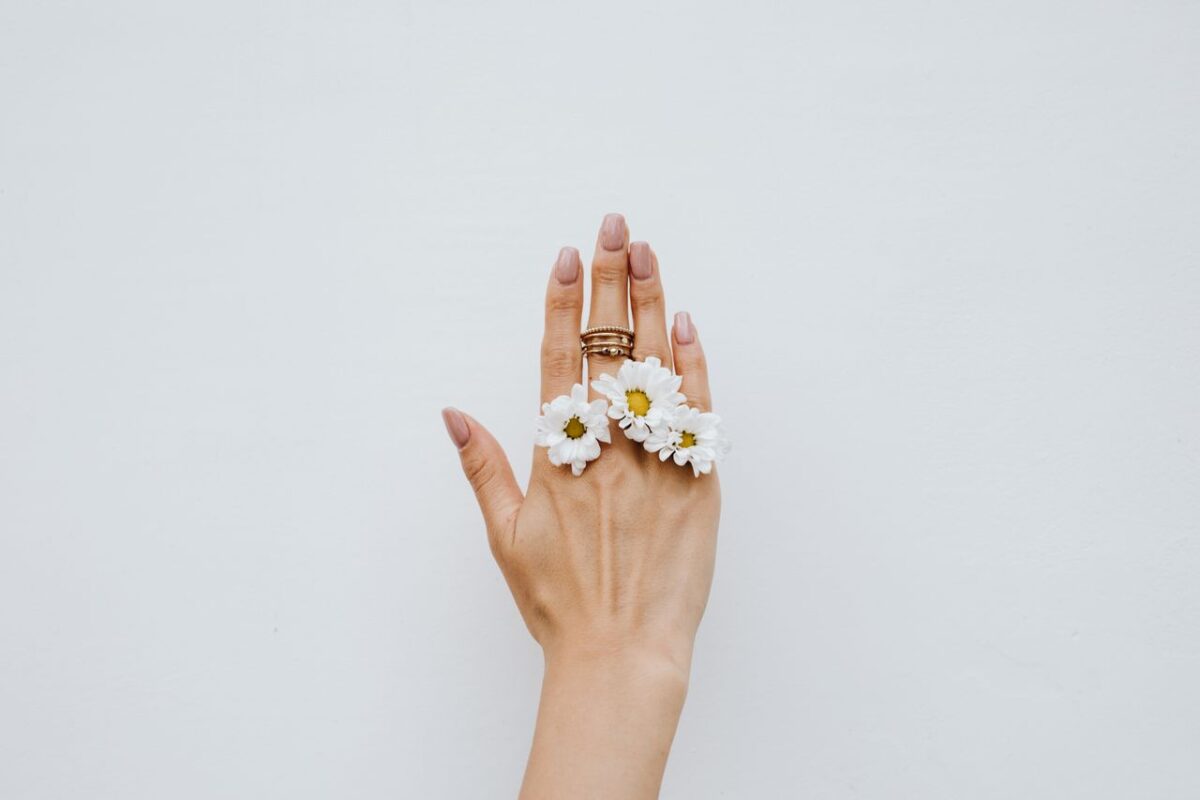
Anyone who has spent time with AI image generators has encountered the problem. The composition is striking, the lighting is exactly right, the overall image looks professional and polished, and then you notice the hands. Six fingers on one hand. Fingers that bend at impossible angles. Thumbs attached to the wrong side. Hands that blur into each other in ways that make anatomical sense to no biological creature. For a technology that has made extraordinary progress in almost every area of image generation, hands have remained a persistent and highly visible failure point.
Understanding why this happens, and how dedicated correction tools are addressing it, gives a clearer picture of both the current limitations of AI image generation and the practical solutions that have emerged to work around them.
Why AI Has Always Struggled With Hands
The difficulty AI image generators have with hands is not arbitrary. It reflects something specific about how these systems learn and what makes hands structurally complex compared to most other elements in an image.
Diffusion models, the architecture underlying most modern AI image generators, learn by identifying statistical patterns across enormous datasets of images. They become very good at generating elements that appear consistently and in predictable configurations across that training data. Faces are generated well because faces appear in consistent orientations with predictable relationships between features. Landscapes, objects, and architectural elements similarly follow patterns that are well-represented in training data.
Hands are different for several reasons. They appear in an almost infinite variety of configurations: open, closed, partially closed, gripping, pointing, gesturing, seen from every conceivable angle, partially obscured, in contact with other objects. The relationship between fingers changes dramatically depending on the hand’s position and the viewing angle. The same hand photographed from slightly different angles looks like a completely different configuration of elements.
This variability means the model never builds as stable a representation of a hand as it does of a face or a landscape. When generating an image, the model produces something that statistically resembles a hand in the context of the image without necessarily respecting the anatomical constraints that make a hand actually look like a hand.
The Problem’s Impact on Real Creative Work
The hand problem would be a minor inconvenience if it appeared rarely. The reality is that hands appear in a very high proportion of the images people want to generate: portraits, lifestyle images, product shots with human models, marketing materials, illustrations for editorial content. Almost any image featuring a person involves hands in some configuration, and almost any image featuring hands has some probability of generating incorrectly.
For creative professionals and content creators who have integrated AI image generation into their workflows, this represents a consistent bottleneck. The options before dedicated correction tools existed were not good: manually editing the hands in Photoshop, which requires significant skill and time; regenerating the image repeatedly until a version with acceptable hands appeared, which is slow and unreliable; or simply not using images that featured hands, which severely limits what AI generation can produce.
None of these solutions is efficient at scale. A content creator producing dozens of images per week cannot spend significant time on manual hand correction for each one, cannot afford the hit rate reduction of filtering out all hand-containing images, and does not have the time to regenerate images indefinitely hoping for a better result.
How AI Finger Correction Works
The emergence of dedicated correction tools represents a targeted solution to this specific problem. Rather than attempting to make the base generation model produce better hands, these tools apply a correction pass after generation that identifies problematic hand renderings and fixes them.
The approach uses models trained specifically on hand anatomy and the particular failure modes that appear in AI-generated images. The correction model learns to recognize what a correctly rendered hand looks like across different configurations and viewing angles, identifies where the generated hand deviates from anatomically plausible structure, and reconstructs the hand in a way that corrects those deviations while preserving the surrounding image.
An ai fingers fixer tool applies this correction automatically, taking a generated image with problematic hands and returning a version where the hand anatomy has been corrected to look natural. The process handles the specific failure modes that appear most commonly in AI-generated images: extra fingers, missing fingers, incorrect finger proportions, unnatural bending, and fingers that merge or separate in ways that are not anatomically possible.
The correction is applied specifically to the hand region of the image rather than to the whole image, which means the surrounding elements are preserved exactly as generated. Only the problematic area receives the correction, which ensures that the overall composition and quality of the image remain unchanged.
The Broader Pattern: Specialized Correction Tools
The AI fingers fixer represents a broader pattern in how the AI creative tools ecosystem is developing. Rather than waiting for base models to solve every problem perfectly, specialized correction tools are emerging to address specific, high-frequency failure modes.
Background removal tools handle cases where generation produces cluttered or unintended backgrounds. Upscaling tools take lower-resolution outputs and add detail at larger sizes. Face correction tools address the inconsistencies that appear in facial generation, particularly for non-frontal views. Hand correction tools address one of the most visible and persistent quality issues in generated imagery.
This specialization reflects a practical understanding of how creative workflows operate. The base generation model produces something that is good in most respects and problematic in a specific one. A targeted correction tool addresses that specific problem without affecting what is already working. The combination produces a better final result than either the base model alone or a more generalized correction approach.
What This Means for Content Creators
For content creators who use AI image generation regularly, the practical implication is straightforward. Images that previously would have been discarded or required extensive manual editing because of hand rendering issues can now be corrected quickly and used as intended. The constraint that hand-containing images impose on AI-assisted workflows is reduced significantly.
This is most impactful for creators producing lifestyle imagery, portrait content, and marketing materials where human subjects appear regularly. The ability to generate an image featuring a person, correct any hand rendering issues in a single additional step, and produce a usable result changes the economics of AI-assisted image production for these content categories.
The correction tools also enable a different approach to generation. Rather than trying to engineer prompts to minimize hand visibility, or filtering out images with prominent hands, creators can generate freely and correct afterward, which produces a larger pool of usable images from the same generation effort.
AI image generation has transformed what is possible in visual content creation. The remaining rough edges, of which hand rendering is among the most visible, are being addressed not by waiting for base models to become perfect but by building specialized tools that handle specific correction tasks efficiently. The result is a generation and correction pipeline that produces better outcomes than either component alone, and that makes the technology more practically useful for the people who depend on it.