Satya
Satya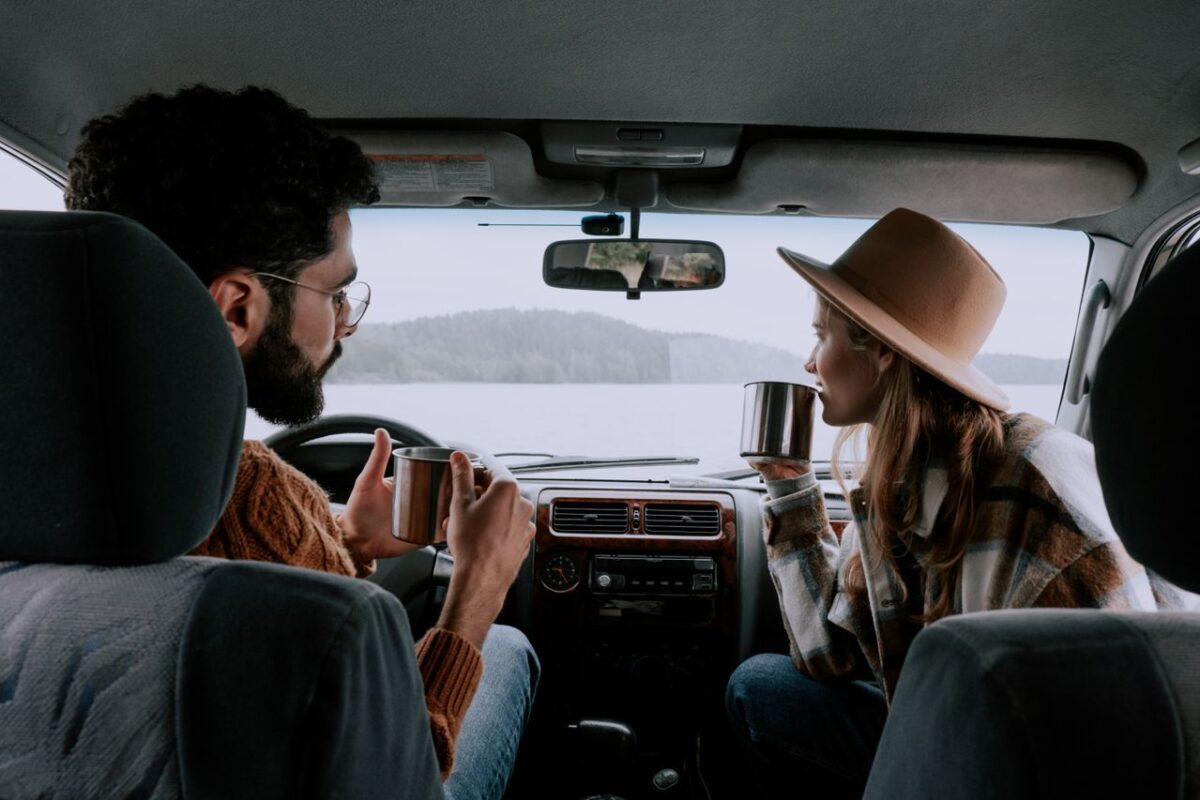
The highway is empty long before sunrise. A gas station coffee sits in the cup holder, the GPS predicts another two hours of driving, and cell service disappeared several miles ago. The nearest town is little more than a crossroads with a single convenience store, and once you pass it, there won’t be another place to buy forgotten supplies. That’s one of the quiet lessons every hunter eventually learns.
The hunt doesn’t begin when you step into the woods. It begins with the drive.
Those long miles to remote hunting grounds have a way of exposing weak planning. Forget a flashlight? That’s on you. Leave your rain gear in the garage? You’ll remember it the first time the weather changes. Skip checking your truck’s spare tire? Hopefully, you won’t learn that lesson on a gravel road forty miles from the nearest repair shop.
Even for people who don’t hunt, there’s something valuable about this mindset. Planning isn’t about expecting disaster. It’s about making sure small mistakes stay small.
Distance Changes Everything
Running errands around town creates a false sense of security. Forget something? Turn around. Need batteries? There’s probably a store five minutes away.
A remote hunting trip works differently. Every mile between you and civilization raises the cost of poor preparation.
That’s why experienced hunters often think backward before they leave home. Instead of asking, “What do I need?” they ask, “What would create the biggest problem if I didn’t have it?”
That subtle shift changes packing decisions. A forgotten hat may be uncomfortable. A forgotten map, first-aid kit, tire repair kit, or extra water can change the entire trip. Planning becomes an exercise in reducing avoidable problems rather than chasing perfection.
The Truck Deserves as Much Attention as the Gear
Hunters spend plenty of time checking optics, cleaning firearms, and organizing packs. The vehicle that gets them there sometimes receives less attention. Yet the truck is doing the hardest work.
Before heading into remote country, experienced travelers often inspect tire pressure, engine fluids, windshield wipers, lights, brakes, and the condition of the spare tire. Jumper cables, a portable air compressor, recovery straps, and basic hand tools earn their place because they’re useful far beyond hunting season.
Mechanical problems rarely happen at convenient times. That’s almost part of their charm.
Weather Has Its Own Agenda
Forecasts are helpful. They’re also optimistic more often than we’d like.
Mountain weather changes quickly. Coastal winds arrive earlier than expected. Dirt roads that seemed perfectly dry on Friday afternoon can become muddy obstacles after one overnight storm.
Smart planning means packing for the conditions you’re likely to encounter, and one step beyond.
Extra layers take up little space. Dry socks seem insignificant until they aren’t. Rain gear often spends entire trips untouched, which is exactly how most people prefer it.
Preparedness isn’t wasted simply because it stayed in the backpack.
Navigation Is More Than Following a Blue Line
Modern GPS apps are remarkable. They’re also surprisingly confident in places where they stop working altogether.
Remote hunting areas often have unreliable reception, making offline maps, printed topographic maps, or a dedicated GPS device valuable backups. Knowing how to recognize landmarks, trail markers, or natural features adds another layer of confidence when electronics become less dependable.
Technology is an outstanding assistant. It’s less impressive as your only plan.
Time Is Equipment Too
Many first-time hunters focus almost entirely on physical gear. Experienced hunters also budget time. Extra travel time for rough roads. Extra daylight in case tracking takes longer than expected. Extra time to return before darkness settles over unfamiliar terrain.
Rushing rarely improves judgment. In fact, it usually does the opposite. One delayed departure early in the morning can quietly create poor decisions hours later.
The best trips often include room for things to go slightly wrong without forcing anyone to improvise under pressure.
The Packing List Evolves Every Season
Ask hunters who’ve spent years traveling to remote public land, and many will admit they still adjust their packing lists.
Experience has a funny way of adding small items. A spare headlamp. An extra phone charging cable that permanently lives in the truck. A lightweight tarp. Zip ties. Work gloves. None of these feel particularly important while packing.
They become memorable the first time they solve an unexpected problem. That’s how good checklists develop, not from internet articles, but from real inconveniences encountered one trip at a time.
Preparation Is a Habit, Not a Shopping Trip
It’s tempting to believe better equipment automatically creates better preparation. Usually, it doesn’t.
A carefully maintained older backpack often serves its owner better than an expensive new one filled the night before departure.
Preparation comes from familiarity. Knowing where everything is packed. Knowing how equipment works before arriving. Knowing what deserves attention first if plans suddenly change. The most dependable systems are often the simplest because they’re easy to repeat.
Responsible Firearm Preparation Starts at Home
For hunters, the firearm is just one part of a much larger system that includes transportation, navigation, weather awareness, and safe decision-making in the field.
That same practical approach extends to ammunition selection. Many hunters compare rifle ammo based on reliability, accuracy, recoil characteristics, and how consistently it performs in their specific firearm under realistic field conditions. The goal isn’t chasing impressive advertising claims. It’s choosing a load that feeds reliably, groups consistently, and has been thoroughly tested at the distances and conditions expected during the hunt.
Equally important is transporting firearms safely, following applicable local and state regulations, and storing them securely whenever they are not in use. Responsible preparation begins well before reaching the trailhead.
Food, Water, and Energy Matter More Than People Admit
Long drives have a way of disguising fatigue. Hours behind the wheel followed by hiking uneven terrain can quietly drain energy before the hunt even begins.
Packing extra water, easy-to-eat meals, and snacks that don’t require refrigeration helps maintain focus throughout the day. Something as simple as stopping to eat before hunger becomes a distraction often leads to better decisions than trying to push through discomfort.
Planning for basic needs isn’t glamorous. It’s surprisingly effective.
Leave Room for Flexibility
No trip unfolds exactly as imagined. Road construction appears where last year’s map showed clear pavement. A locked gate changes the access route. Another hunting party reaches the trailhead first.
Successful hunters rarely view these changes as disasters because they expected something to change.
They brought alternate maps. They researched multiple access points. They left enough time in the schedule to adjust without feeling rushed.
Flexibility isn’t about making plans less detailed. It’s about making them resilient.
The Drive Home Is Part of the Lesson
There’s something reflective about driving home after a weekend outdoors. The excitement has settled. The gear is dusty. The checklist in your head starts updating itself.
“Next time I’ll bring another pair of gloves.”
“I should replace that flashlight battery.”
“That shortcut wasn’t much of a shortcut.”
These observations are easy to dismiss. They’re actually where better planning begins. Every trip teaches something if you’re paying attention.
Not every lesson involves harvesting game. Some involve vehicle maintenance, weather awareness, route planning, communication, or simply recognizing that comfort affects decision-making more than expected.
Over time, these small adjustments compound into smoother, safer trips that require less last-minute scrambling and fewer avoidable surprises. That’s the real value of those long drives to remote hunting grounds.
They reveal that preparedness isn’t a single checklist completed the night before departure. It’s an ongoing habit of observing, refining, and learning from experience. The destination may be a quiet stretch of public land miles from the nearest town, but the skills developed along the way apply just as easily to road trips, camping weekends, outdoor adventures, and everyday life.
The miles themselves become part of the preparation. And perhaps that’s the most useful lesson the road has to offer.