Satya
Satya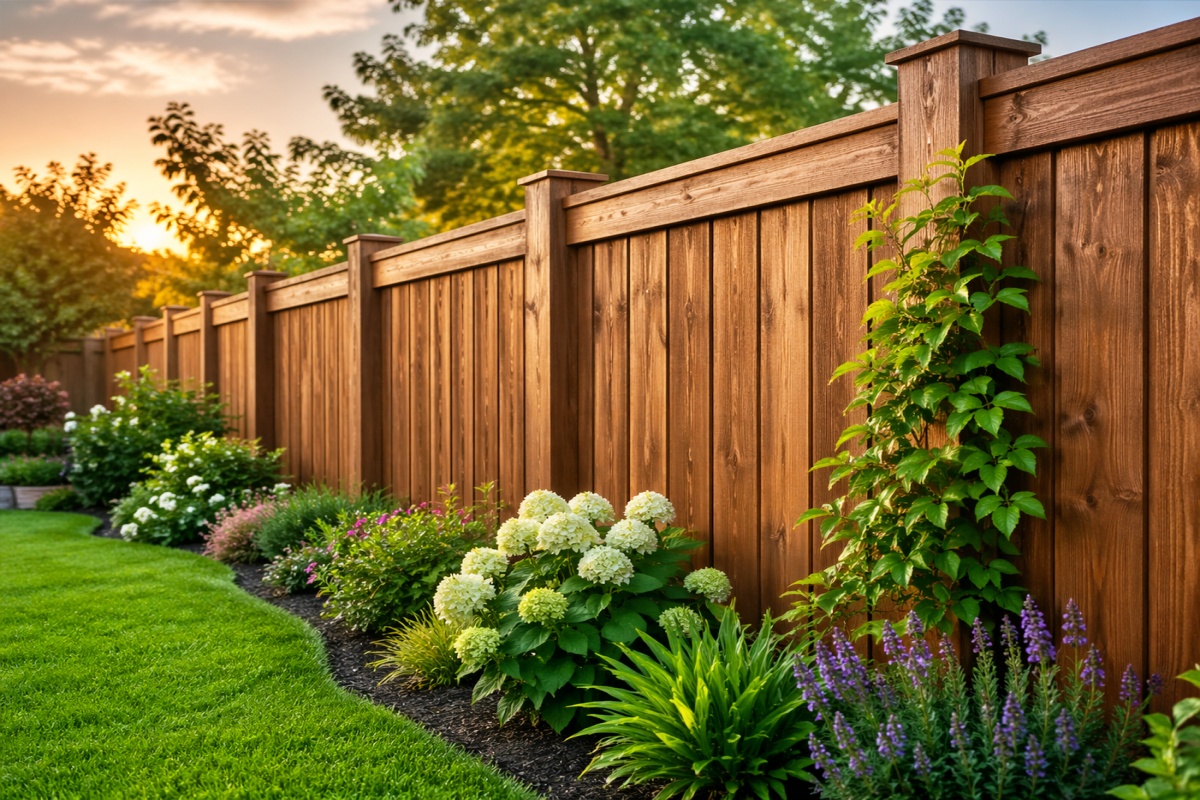
A well-constructed fence does more than just define your property boundaries. It offers essential privacy, enhances your landscape design, and provides a safe, secure haven for pets and children to enjoy the outdoors. Whether you are aiming to block out noise from a busy street or simply want to create a secluded spot for summer dining, a solid boundary is a critical element of your home exterior. However, building a fence that looks gorgeous on day one is only half the battle. Ensuring it remains standing straight and tall year after year requires careful structural planning, particularly when you live in a region that experiences harsh winter freezes and unpredictable weather patterns.
Combating the Hidden Threat of Frost Heave
In cold climates, the biggest enemy to your garden landscaping is not the wind or driving rain. It is the freezing soil hidden beneath the surface. When temperatures plummet during the winter months, moisture trapped in the ground turns to ice and expands. This natural freezing process creates a powerful upward force known as frost heave. As ice lenses form in the soil, they grip the rough edges of posts and push poorly installed timber uprights straight out of the ground.
Engineers, builders, and climatologists take this subterranean movement very seriously. In fact, a study published in the Journal of Applied Meteorology and Climatology highlights that calculating local frost depth is fundamentally useful for determining the depth of shallow foundation construction to prevent the destructive effects of frost heave. If your fence supports do not sit safely below this active freeze zone, you will likely face leaning panels, misaligned gates, and cracked rails by the time spring arrives. The damage caused by these seasonal shifts can be incredibly costly and frustrating to repair.
Choosing a Modern Foundation Strategy
To avoid the pitfalls of shifting soil, you need a reliable installation method. Utilising screw piles for fence posts provides a highly effective alternative to older, more conventional techniques. These helical anchors are driven deep into the earth, securing the base of your structure well below the problematic frost layer where the ground remains stable year-round.
The traditional method for securing a boundary involves digging massive holes, dropping in heavy timber pieces, and pouring messy concrete. While this approach has been standard for decades, it is highly labour-intensive and wreaks havoc on a manicured lawn. Moreover, if the concrete footings are not poured deep enough to bypass the frost line, the entire heavy mass can still be pushed upwards by the freezing soil. This modern helical technique creates an unshakeable foundation without the need to excavate large amounts of soil or ruin your existing garden beds. By anchoring the posts securely from the start, you eliminate the risk of seasonal shifting and guarantee a perfectly straight fence line for decades.
Essential Design Tips for a Stunning Perimeter
Once you have a rock-solid base in place, the focus can shift to the aesthetic and functional design of the fence itself. A beautiful perimeter should complement your home exterior while standing up to the rigours of the changing seasons. Careful material selection and proper spacing are vital to the longevity of the project.
Consider these core strategies when planning your garden boundary:
- Select durable materials: Western red cedar and pressure-treated pine are excellent options that naturally resist rot, decay, and insect damage. Alternatively, high-quality vinyl offers a clean, contemporary look with virtually zero maintenance requirements.
- Leave room to breathe: Never let the bottom rails or wooden pickets touch the bare soil. Leaving a gap of at least two inches prevents the timber from wicking up ground moisture, which significantly reduces the risk of premature decay.
- Apply protective finishes: If you choose natural timber, applying a UV-resistant stain or waterproof sealant is critical. This defensive layer stops the wood from greying in the hot summer sun and repels rain and snow during the winter.
- Plan for wind resistance: Solid privacy panels act like sails during heavy storms. Incorporating a semi-private design, such as a lattice top or a shadowbox style, allows high winds to pass through the structure safely, reducing the strain on your supports.
Maximising Your Property Value
A meticulously built fence is a long-term investment in your property. Beyond the immediate lifestyle benefits of increased privacy and outdoor comfort, a resilient boundary adds genuine kerb appeal. Prospective buyers appreciate outdoor spaces that feel secure and require minimal immediate upkeep. When house hunters see a leaning, dilapidated structure, they immediately calculate the cost of a replacement, which can negatively impact their offer.
When you prioritise structural integrity alongside visual appeal, you save yourself the recurring headache of seasonal repairs. By understanding the geology of your garden, anchoring the structure securely, and choosing weather-resistant finishes, you can create an outdoor oasis that stands the test of time. A beautiful fence is a wonderful addition to any home, but a boundary that refuses to budge during the harshest winter is truly invaluable.