Satya
Satya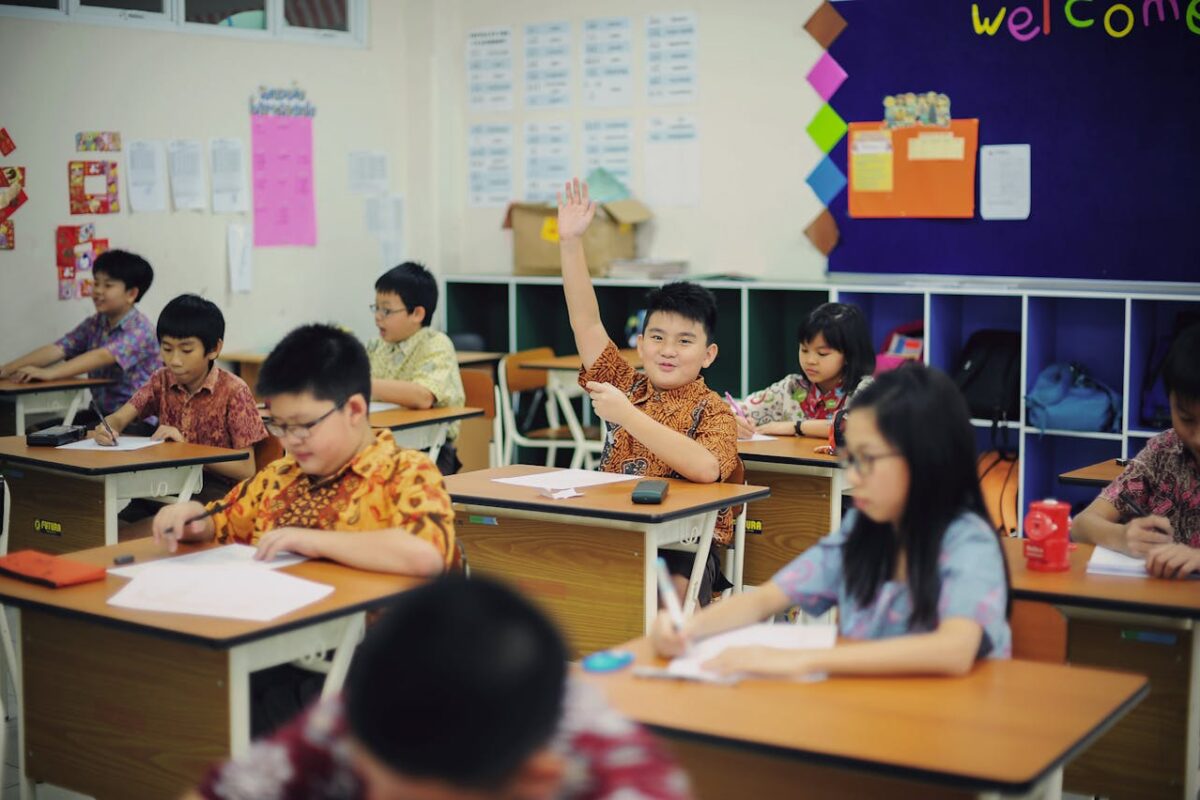
Relocating to a new country is one of the most significant transitions a family can undergo. While the logistics of visas, housing, and shipping containers often dominate the initial planning phase, the primary concern for most parents is the emotional and academic well-being of their children. Finding the right school is not merely about securing a seat in a classroom. It is about finding a community where a child can thrive amidst the upheaval of moving.
For expatriate families, the options can be both abundant and overwhelming. In major global hubs, the market for private education is competitive and high-quality. For instance, families researching Bangkok International Schools often discover that the leading institutions offer world-class facilities and academic results that rival top schools in the UK or US. However, navigating these options requires a clear understanding of what truly matters for the long-term development of your child.
Curriculum Continuity and Transferability
The first logistical hurdle is selecting a curriculum. For families who move frequently, continuity is key. You want to ensure that if you move again in three years, the education of your child will not suffer a jarring disruption. The most common choices are the British curriculum (A-Levels/IGCSE), the American curriculum (AP), and the International Baccalaureate (IB).
The IB has gained immense popularity among expatriate families because of its transferability and focus on global citizenship. According to the International Baccalaureate Organisation, their programmes are distinct because they encourage students of all ages to think critically and challenge assumptions, operating independently of national government systems. This independence allows for a consistent educational philosophy regardless of whether the school is in Thailand, Switzerland, or Japan. When evaluating these systems, parents should consider how easily their child adapts to different testing methods and teaching styles.
When visiting a prospective school, ask yourself these questions:
- Does the curriculum align with our long-term plans, such as returning home or moving to a specific country?
- How does the school support students transitioning from a different academic system?
- What are the university matriculation statistics for recent graduates?
Holistic Support and Inclusivity
Academic rigour is important, but the ability of a school to support the “whole child” is what often determines a successful relocation. Moving can be isolating for children, and they need an environment that fosters social and emotional resilience. Schools that prioritise mental well-being often have dedicated counsellors and peer-support systems in place to help new students adjust.
Modern international schools are increasingly recognising that diverse learners require diverse teaching strategies. It is worth investigating how a school handles inclusive education. Does the school have a learning support department? Do they employ modern pedagogical methods? For families considering the bigger picture, aligning school choices with future education and career goals is essential. This approach is particularly beneficial for younger children adjusting to a new language or cultural environment, as it allows them to express themselves beyond traditional academic confines.
The School Community and Culture
An international school often becomes the centre of social life for expatriate families. It is where you will meet other parents, attend cultural events, and build your local support network. Therefore, the “vibe” of the school is a tangible factor that should not be ignored. A welcoming community can make the difference between a family feeling isolated or feeling at home.
When you tour a campus, look beyond the shiny facilities. Observe the interactions between students and teachers. Do the children look happy and engaged? Is there a welcoming atmosphere for parents? It is also beneficial to check if the school organises social events that encourage parental involvement.
Key factors to gauge the community culture:
- Parent Association: Is there an active PTA? How do they welcome new families to the fold?
- Diversity: What is the mix of nationalities? A truly international school will have a diverse student body rather than being dominated by a single nationality.
- Extracurriculars: Does the school offer a wide range of sports, arts, and clubs? These are crucial for children to make friends outside the classroom.
- Teacher Retention: Do staff stay for a long time? High turnover can be a red flag regarding school management and stability.
Facilities and Resources
While facilities are not everything, they do facilitate learning opportunities. A school with well-equipped science labs, expansive sports fields, and dedicated arts centres can offer a broader range of experiences than one without. Libraries should be modern hubs of inquiry, stocked with diverse resources that reflect the international nature of the student body.
However, parents should assess how these facilities are used. A 3D printer in a dusty corner is of no use, whereas a design technology lab bustling with student projects is invaluable. Look for evidence of active learning. Are the art rooms covered in paint? Are the sports fields being used during break times? The best schools view their campus as a tool to enhance the curriculum, not just a showroom for prospective parents. When you see facilities being actively utilised, it demonstrates a commitment to practical, hands-on education.
Making the Final Decision
Ultimately, the “best” school is subjective. It is the one that fits the personality of your child and the values of your family. Trust your instincts during the campus visit. If the admissions team takes the time to ask about the interests of your child rather than just selling their exam results, it is a positive sign that they view education as a partnership.
By focusing on curriculum transferability, holistic support systems, and the strength of the community, relocating families can turn the daunting task of school selection into an exciting first step of their new adventure.