Satya
Satya
A short drive from Delhi leads to a property that feels intentionally removed from urban pace, yet remains logistically convenient for both domestic and international travelers. Set against the Aravalli landscape, the destination combines heritage-inspired design with modern hospitality systems, creating an environment that is structured, calm, and operationally efficient. Guests encounter a layout that favors space, privacy, and curated experiences over density.
Positioned as a luxury retreat with a strong identity, ITC Grand Bharat delivers a hospitality model rooted in Indian cultural themes while maintaining global service benchmarks. Its appeal lies not in excess, but in balance. Architecture, cuisine, and wellness offerings are integrated into a stay that prioritizes time, comfort, and controlled indulgence.
Understanding the Experience at ITC Grand Bharat
The property operates on an all-suite concept, which immediately differentiates it from conventional hotels. Each accommodation unit is designed to provide separation between living and resting spaces, ensuring functional comfort during both short and extended stays. Interiors reflect a blend of traditional motifs with structured layouts, avoiding visual clutter while still conveying identity.
Guests are not managed through rigid itineraries. Instead, the stay allows flexible engagement with amenities such as dining, wellness, and recreational facilities. This approach supports varied travel purposes, including leisure, business retreats, and private celebrations. The operational flow is designed to minimize friction, from check-in processes to service delivery timelines.
Accommodation and Spatial Design
Suites within the property are categorized to suit different travel preferences, yet all maintain a consistent standard of space and amenities. High ceilings, controlled lighting, and neutral palettes create an environment that supports rest without overstimulation. The use of traditional elements remains measured, ensuring that aesthetics do not interfere with usability.
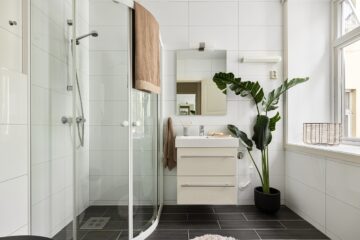
Each unit includes dedicated living areas, premium bedding, and modern bathroom configurations. Technology integration is present but not intrusive, allowing guests to manage comfort settings easily. Privacy is a key design factor, particularly for travelers seeking uninterrupted time away from city environments.
Suite Layout Efficiency
The division between the lounge and bedroom areas allows functional movement without overlap. This becomes particularly relevant for guests managing work alongside leisure, as it prevents spatial congestion and supports better routine management.
Interior Material Selection
Materials used across rooms focus on durability alongside visual appeal. Wood, stone, and fabric combinations are chosen to maintain temperature balance while contributing to a consistent design language.
Culinary Structure and Dining Options
Dining at the property is organized around curated menus rather than extensive, unfocused offerings. Each restaurant maintains a defined identity, allowing guests to select experiences based on cuisine preference rather than navigating overwhelming options. This structured approach enhances both service quality and food consistency.
Menus focus on Indian and international selections, prepared using standardized culinary processes. Ingredient sourcing emphasizes quality control, which directly impacts taste and presentation. Dining spaces are designed to match the theme of the cuisine, ensuring alignment between environment and menu.
Restaurant Identity Clarity
Each outlet operates with a distinct culinary direction, reducing overlap. This allows kitchens to maintain precision and consistency across dishes.
Service Flow in Dining Areas
Service teams are trained to maintain timing without interrupting guest experience. Orders are managed efficiently, ensuring minimal wait without compromising preparation standards.
Wellness, Leisure, and Open Spaces
The wellness component is structured around both relaxation and functional health routines. Spa facilities provide therapies rooted in traditional practices, while maintaining hygiene and process standardization expected in luxury hospitality. Treatments are scheduled to avoid crowding, preserving a calm environment.
Outdoor spaces play a significant role in the overall experience. Landscaped areas, walking paths, and a golf course offer structured recreational options. These spaces are designed to encourage movement without requiring rigid participation, allowing guests to engage at their own pace.
Spa Program Structure
Treatments are categorized based on duration and purpose, enabling guests to select options that fit their schedule. This reduces decision fatigue and improves overall satisfaction.
Recreational Layout Planning
Open spaces are distributed to prevent concentration of activity in one area. This maintains a sense of exclusivity even during higher occupancy periods.
ITC Grand Bharat as a Tourism Anchor
The property functions not only as a hotel but also as a regional tourism anchor. Its proximity to Delhi and Gurugram makes it accessible for weekend travel, while its scale supports destination-based stays. This dual positioning allows it to attract both short-term and extended visitors.
Tourism value is enhanced through the integration of cultural elements into the guest experience. Rather than presenting isolated attractions, the property embeds these elements into architecture, dining, and wellness. This creates a cohesive narrative that aligns with broader travel expectations in India’s luxury segment.
Accessibility and Location Advantage
Situated within driving distance of major urban centers, the property reduces travel complexity. This makes it suitable for quick escapes without extensive planning.
Cultural Integration in Hospitality
Design and service elements reflect Indian traditions in a structured manner. This ensures authenticity without compromising operational efficiency.
ITC Grand Bharat for Luxury Travelers
The property caters specifically to travelers seeking controlled luxury rather than excess. Its offerings are designed to provide depth of experience while maintaining consistency across services. This approach aligns with evolving preferences in the premium travel segment, where personalization and efficiency are valued equally.
Guest profiles range from corporate visitors to leisure travelers, yet the service model remains adaptable. Staff training emphasizes responsiveness without intrusion, ensuring that interactions remain purposeful. This balance contributes to a stay that feels managed yet flexible.
Final Thoughts
A well-planned luxury stay depends as much on booking convenience as it does on the property itself. Platforms such as Goibibo and MakeMyTrip simplify this process by offering structured search filters, transparent pricing, and verified user insights. These tools allow travelers to evaluate options efficiently while ensuring reliability in reservations.
For those considering a stay at ITC Grand Bharat, using Goibibo and MakeMyTrip ensures access to curated deals, flexible booking options, and consistent support throughout the travel journey. Their platforms bridge the gap between premium hospitality and practical planning, making the overall experience both accessible and streamlined.