Satya
Satya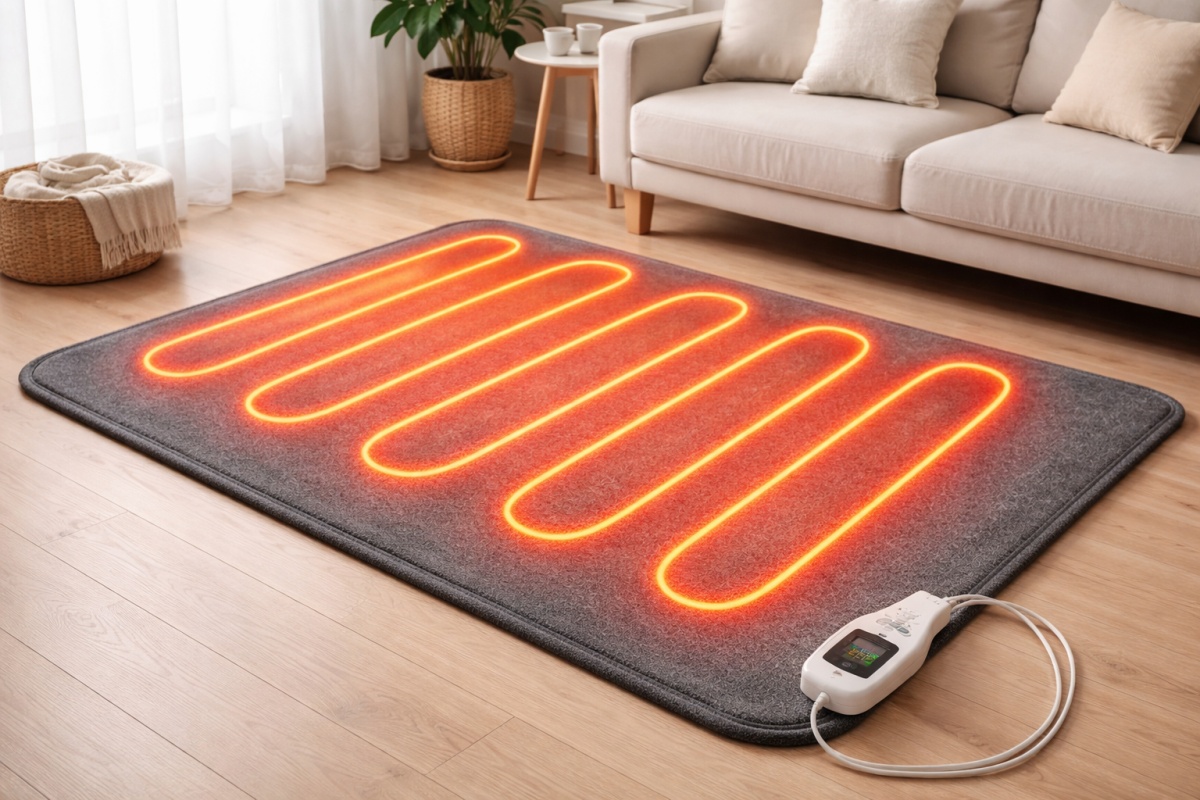
Canadian winters bring more than picturesque snowfall—they create serious liability risks for businesses. Heavy snow and ice transform entrances, walkways, and stairs into hazard zones where slip-and-fall incidents can result in costly injuries and legal claims. For retailers operating in climates where temperatures regularly plunge below freezing, winter safety isn’t just a courtesy; it’s a business imperative.
Heated mats have emerged as a practical solution to these seasonal challenges. Unlike traditional snow removal methods that require constant labor and chemical deicers that damage landscaping and waterways, heated mats provide continuous, automated protection. These electrically powered systems melt snow and ice on contact, maintaining clear pathways throughout even the harshest winter storms. From heated stair mats that prevent treacherous steps to full driveway heating systems, the technology has evolved to address virtually every winter safety scenario retailers face.
Why Heated Mats Matter for Canadian Businesses
The case for heated mats extends beyond simple convenience. Slips and falls on ice and snow represent one of the most common workplace injuries during winter months. For retailers, these incidents carry dual risks: employee compensation claims and customer lawsuits.
Heated mats address these concerns through several mechanisms:
- Continuous Protection: Unlike manual snow removal, which leaves gaps between clearing sessions, heated mats work around the clock. Snow melts as it falls, preventing accumulation during overnight storms or between staff shifts.
- Reduced Chemical Use: Traditional deicing salts corrode concrete, kill vegetation, and contaminate groundwater. Heated mats eliminate or drastically reduce the need for these chemicals.
- Lower Labor Costs: Shoveling and salting require either dedicated staff time or contracted services. Both represent recurring expenses that compound over a typical Canadian winter. Heated mats require minimal maintenance once installed.
- Liability Reduction: Clear, dry walkways reduce slip-and-fall incidents. Fewer accidents mean lower insurance premiums and reduced exposure to legal claims that can reach six figures for serious injuries.
The energy efficiency of modern heated mats has improved substantially. Contemporary systems use sensors to activate only when temperatures drop below freezing and precipitation is detected, rather than running continuously. This smart operation keeps electricity costs manageable while maintaining safety.
Heated Mat Options for Different Applications
Retailers face varied winter safety challenges depending on their facility layout. The heated mat market has responded with specialized products for specific applications:
- Entrance Mats: Snow-melting door mats handle the highest-traffic areas where customers transition from outdoors to indoors. These mats typically measure 3 to 4 feet wide and can be connected in series to cover larger vestibules. They prevent the snow tracking that creates slippery floors inside the building.
- Stair Systems: Heated stair mats conform to individual steps, addressing one of the most dangerous winter hazards. Falls on stairs result in more severe injuries than level-surface slips, making these systems particularly valuable for multi-level retail spaces.
- Walkway Solutions: Heated walkway pads come in modular sections that connect to cover extended pathways. Retailers can configure these systems to match their specific layout, from narrow sidewalks to wide pedestrian plazas.
- Vehicle Areas: Driveway heating mats keep loading zones, parking areas, and drive-throughs accessible. For retailers with curbside pickup or delivery operations, these systems prevent the vehicle access disruptions that frustrate customers during winter storms.
Several Canadian suppliers have developed products specifically for the country’s climate extremes. For retailers evaluating their options across these categories, commercial heated mats for winter safety from suppliers like KEMF, Warmup, and Nuheat vary in wattage ratings, modular configurations, and cold-climate certifications — factors worth comparing against your facility’s specific layout before purchasing.
Installation Considerations and Best Practices
Proper installation determines whether heated walkway mats deliver their promised benefits or become an expensive disappointment. The process requires more attention than simply unrolling a mat and plugging it in.
- Site Preparation: The surface must be level and free of debris. Uneven concrete or asphalt creates air gaps that reduce heating efficiency and create trip hazards. Some retailers choose to have surfaces professionally leveled before installation, particularly for permanent systems.
- Power Requirements: Heated mats draw significant electricity, especially in larger installations. A qualified electrician should verify that existing circuits can handle the load or install dedicated circuits if needed. Outdoor-rated GFCI protection is mandatory for safety.
- Drainage Planning: Melted snow becomes water that must drain away from walkways. Poor drainage creates refreezing problems at the mat edges or pools that defeat the safety purpose. Slight grading away from buildings prevents water intrusion issues.
- Securing Methods: Portable mats require anchoring to prevent wind displacement or shifting under foot traffic. Permanent installations may use adhesive, mechanical fasteners, or recessed mounting depending on the surface material and expected traffic volume.
- System Testing: Before the first snowfall, run the system through a complete heating cycle. Verify even heat distribution across the entire surface using an infrared thermometer. Identify and correct any cold spots that indicate electrical issues or poor surface contact.
Environmental Impact and Energy Management
The environmental equation for heated mats involves tradeoffs. While they consume electricity, they eliminate chemical deicers that damage ecosystems. The net environmental impact depends on the local electricity generation mix and the alternative methods they replace.
In provinces where hydroelectric power dominates the grid, heated mats carry a relatively low carbon footprint. In regions dependent on fossil fuel generation, the calculation becomes less favorable. Retailers concerned about sustainability should consider:
- Smart Controls: Temperature and moisture sensors prevent unnecessary operation. Systems that activate only when conditions require heating can reduce energy consumption by 40-60% compared to manual operation.
- Zone Management: Not every area requires heating simultaneously. Prioritizing high-traffic zones and customer-facing areas while leaving secondary spaces for manual clearing reduces overall energy demand.
- Renewable Energy Integration: Retailers with solar installations can offset heated mat electricity consumption, particularly effective given that peak solar generation often coincides with sunny post-storm periods when mats work to clear remaining ice. To learn more, refer to this detailed article.
- Lifecycle Considerations: Quality heated mats last 10-15 years with minimal maintenance. This longevity compares favorably to the cumulative environmental impact of annual salt purchases, snow removal equipment fuel consumption, and the infrastructure damage that salt causes.
The chemical reduction benefit deserves emphasis. Research shows that a single winter’s salt application can contaminate groundwater for years. For retailers near sensitive ecosystems or municipal water sources, eliminating salt use may be the most significant environmental benefit heated mats provide.
Safety Protocols and Maintenance
Heated outdoor mats require ongoing attention to maintain safety and performance. Establishing clear protocols prevents the complacency that leads to system failures during critical weather events.
- Pre-Season Inspection: Before winter arrives, examine all electrical connections, mat surfaces, and control systems. Replace any components showing wear. Test the complete system under load to identify issues while repair services aren’t overwhelmed with emergency calls.
- Storm Monitoring: While automated systems handle most situations, extreme snowfall rates can overwhelm heating capacity. During major storms, periodic visual checks ensure the system is keeping pace with accumulation. Supplemental manual clearing may be necessary in blizzard conditions.
- Edge Management: Snow and ice often accumulate at mat boundaries where heated and unheated surfaces meet. These transition zones require attention to prevent the hazards that heated mats are meant to eliminate.
- Electrical Safety: Monthly inspection of power connections, especially after severe weather, prevents failures. Any signs of moisture intrusion, damaged insulation, or loose connections require immediate professional attention.
- Surface Cleaning: Dirt, leaves, and debris reduce heating efficiency by insulating the mat surface from snow contact. Regular cleaning maintains performance and extends mat life.
- Documentation matters for liability protection. Maintaining logs of inspections, maintenance, and system operation demonstrates due diligence if slip-and-fall claims arise. This record-keeping can be decisive in legal proceedings.
Making the Right Choice for Your Business
Canadian retailers face legitimate winter safety challenges that demand effective solutions. Heated mats have evolved from luxury items to practical tools that address real business needs. The technology works, the costs are manageable, and the benefits extend beyond simple snow melting to encompass liability reduction, environmental improvement, and customer service enhancement.
The decision to invest in heated mats should follow a clear assessment of your facility’s specific vulnerabilities. High-traffic entrances, stairs, and customer pathways represent the highest-priority areas where heated mats deliver immediate safety improvements. Secondary areas may be better served by traditional clearing methods, at least initially.
As winter approaches, retailers should evaluate their current snow and ice management strategies honestly. If last season involved close calls, customer complaints, or staff injuries, heated mats deserve serious consideration. The investment protects people, reduces operational headaches, and demonstrates a commitment to safety that customers notice and appreciate.
Winter will arrive regardless of preparation. The question is whether your business will face it with reactive scrambling or proactive systems that handle whatever weather Canada delivers.